
Installing a water softener from Costco can significantly improve your home’s water quality, but the total investment depends heavily on whether you hire professionals or tackle the job yourself. Understanding the full picture, from equipment cost to installation labor, helps you make an well-informed choice that fits your budget and skill level. This guide breaks down what you’ll actually spend in 2026, what professionals charge, and whether DIY installation makes sense for your situation.
Table of Contents
ToggleKey Takeaways
- Costco water softener installation cost ranges from $1,200–$3,000 total when combining equipment ($500–$1,500) and professional labor ($500–$1,500), depending on your location and home setup.
- Professional installation through licensed plumbers or water treatment specialists protects your warranty, ensures code compliance, and prevents costly plumbing mistakes that often exceed DIY savings.
- DIY installation can save $800–$1,200 in labor only if you have intermediate plumbing skills, proper water line access, a suitable drain location, and tools already available—otherwise costs quickly approach professional pricing.
- Regional variation is significant: high-cost areas like California and the Northeast charge $1,500–$2,000 for installation, while rural areas may be $600–$900, so get 2–3 local quotes before deciding.
- Budget for ongoing maintenance beyond installation, including water softener salt ($100–$300 annually) and occasional service calls ($150–$300 each) for brine tank or resin bed issues.
- Verify permit requirements with your local building department before starting work, as skipping required permits can create liability issues when selling your home or filing insurance claims.
What You Need To Know About Costco Water Softener Pricing
Costco water softeners typically range from $500 to $1,500 depending on capacity and brand partnerships available that quarter. The warehouse often stocks systems from major manufacturers like Aqua-Pure, Waterdrop, and occasionally exclusive house-brand options. Pricing fluctuates based on seasonal demand, you’ll usually find better deals in fall and winter when fewer people are thinking about water treatment.
A basic 40,000-grain system (suitable for 2–3 person households) costs around $600–$900, while premium 64,000-grain or 80,000-grain units run $1,000–$1,500. Costco’s return policy is generous, but water softeners installed in homes typically can’t be returned, so read specs carefully before purchase. Most units come with a limited 5–10 year warranty covering tank defects, though you’ll need to register the warranty through the manufacturer.
Professional Installation Costs and Labor Fees
Typical Installation Service Charges
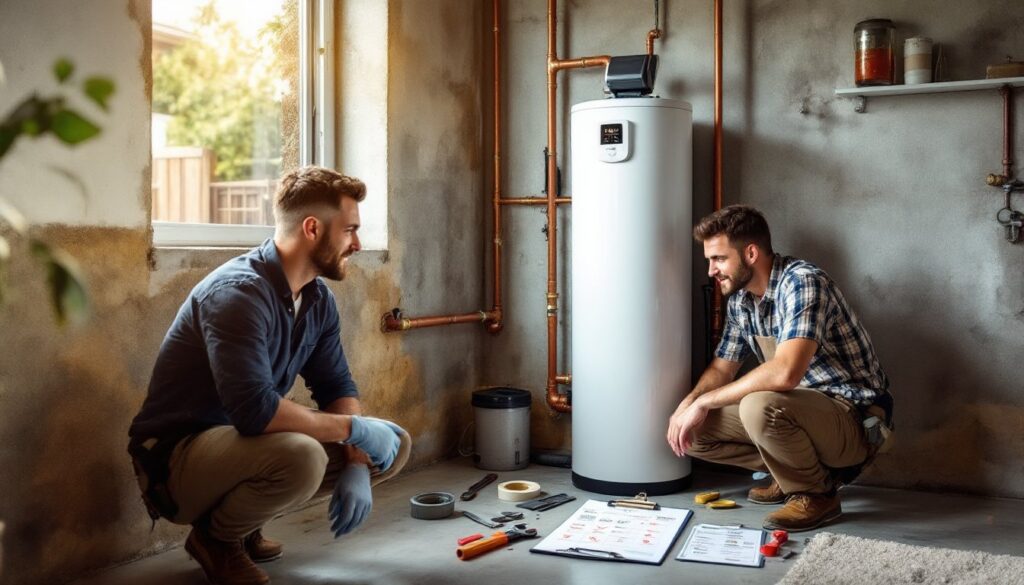
Hiring a licensed plumber or water treatment specialist to install your Costco unit costs between $500 and $1,500 in labor alone, depending on your location and home setup. Average installation takes 4–8 hours, so expect to pay roughly $75–$200 per hour for a service call. Some plumbers charge a flat rate for water softener installs, typically $800–$1,200, rather than hourly fees.
Many areas have dedicated water treatment companies that handle softener installations exclusively. These specialists often charge less than general plumbers because it’s their core business, sometimes undercutting by $200–$400. But, they may not handle related plumbing adjustments (like running a drain line or adjusting supply valves), so confirm scope of work upfront.
Factors That Affect Labor Costs
Distance to your water main and drain access affects price significantly. If your plumber needs to run new lines to reach your softener location, expect an extra $200–$500. Existing infrastructure matters too: if you already have shut-off valves and proper drainage in place, labor drops. Homes with concrete slabs or finished basements cost more because accessing water lines requires cutting or routing around obstacles.
Permit requirements vary by jurisdiction. Some counties require a licensed plumber to install any water treatment system: others allow homeowner DIY installs. A permit typically adds $50–$200 to your total, but skipping a required permit can cause issues when selling your home or making insurance claims. Call your local building department before scheduling work to confirm what’s mandatory in your area.
Scheduling also affects cost. Emergency weekend or evening calls cost 25–50% more than standard business hours. Winter emergency calls are particularly expensive because frozen pipes create urgency.
DIY Installation: Potential Savings and Realistic Expectations
Installing a water softener yourself can save $800–$1,200 in labor, but only if conditions are favorable and you have intermediate plumbing skills. The savings aren’t worth it if you damage existing plumbing or create leaks that cost thousands to repair.
Prerequisites for DIY success: You need access to your main water line with a shut-off valve nearby, a suitable drain location (floor drain, laundry sink, or sump pump outlet), and adequate space, water softeners are bulky, typically 3–4 feet tall and 2 feet wide. If these don’t exist, you’re paying for plumbing work regardless.
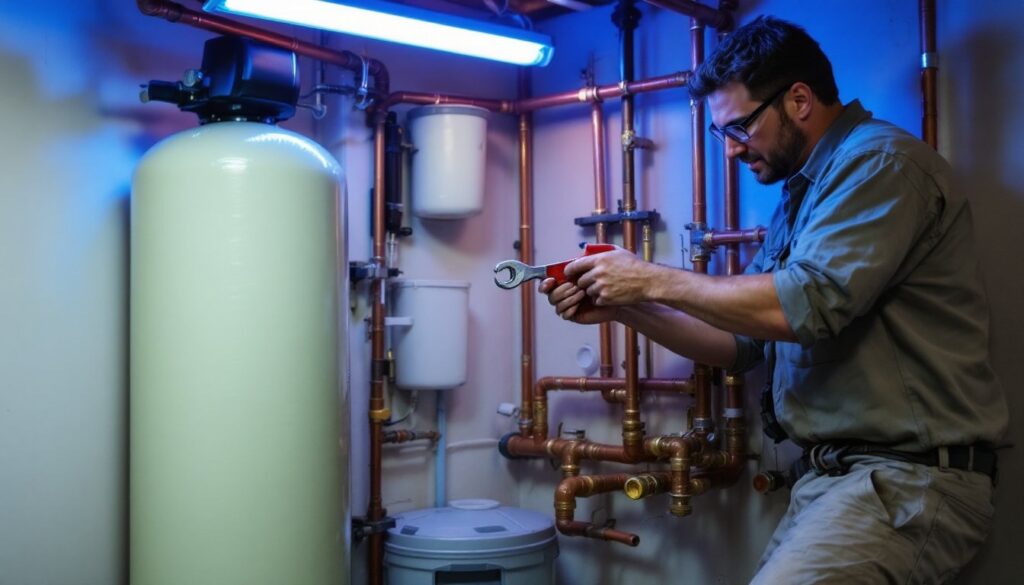
The actual install involves shutting off water, cutting into the main line, installing a bypass valve, connecting inlet and outlet lines with 1-inch or 3/4-inch PVC or copper, and running a drain line. You’ll also need to cut through drywall or flooring if no pathway exists, this alone justifies hiring a pro in many homes.
Tools you’ll need: adjustable wrench, pipe cutter, Teflon tape, brass fittings, and a tubing cutter for copper. If you don’t own these, renting or buying them adds $50–$150 to your project cost. Mistakes, like cross-threading fittings, creating pinhole leaks, or incorrect bypass positioning, are expensive to fix and often require a service call anyway.
Local code compliance is critical. If your area requires licensed installation or a permit, DIY work may void the warranty or create liability. HomeAdvisor’s project guides and Angi’s contractor ratings both include homeowner reviews of water softener installs, giving you real data on whether DIY worked for others in your region. Most reviewers who attempted DIY without experience reported either hiring a pro mid-project or dealing with slow leaks for months.
Total Cost Breakdown: Equipment Plus Installation
Here’s a realistic budget scenario for a 2–3 person household in a standard suburban home:
Professional Installation Path:
- Costco water softener (40,000-grain): $700
- Licensed plumber installation: $1,000
- Permit (if required): $100
- Total: $1,800
DIY Installation Path (favorable conditions):
- Costco water softener: $700
- Fittings, valves, and supplies: $80
- Tool rental (if needed): $60
- Total: $840
- Potential emergency repair call: $200–$500 (if something goes wrong)
Reality check: If DIY goes sideways, you’re calling a plumber anyway, narrowing your savings to $300–$600 after paying for the mistake correction. For most homeowners without plumbing experience, the $1,000–$1,200 labor investment protects against costly errors.
Regional variation is substantial. Installation in high-cost areas like California or the Northeast can run $1,500–$2,000, while rural areas with lower labor rates may see $600–$900 for the same job. Get 2–3 quotes from local contractors before committing. ImproveNet’s cost guides let you compare estimates by zip code and filter by contractor experience.
Don’t forget ongoing costs: water softener salt (usually $100–$300 annually) and occasional service calls for brine tank issues or resin bed regeneration cycles (typically $150–$300 per call). These recurring expenses factor into your long-term budget.
Conclusion
The true cost of a Costco water softener runs $1,200–$3,000 when you factor in equipment and professional installation, with DIY potentially saving $500–$1,000 in favorable situations. Most homeowners benefit from hiring a licensed professional to ensure warranty compliance, proper permitting, and leak-free operation. Get multiple quotes, verify local code requirements upfront, and remember that the cheapest installation isn’t always the safest one.