
Carpet is one of the most popular flooring choices for homeowners, warm underfoot, sound-dampening, and available in endless colors and patterns. But pricing varies wildly depending on material quality, where you live, and whether you install it yourself or hire a pro. Before you commit to a carpet project, you need realistic numbers on what you’ll actually spend. This breakdown walks through material costs, installation expenses, and the key factors that’ll shift your budget up or down.
Table of Contents
ToggleKey Takeaways
- The cost of carpet and installation ranges from $2.50 to $22+ per square foot depending on material quality, fiber type, and labor rates in your region.
- Budget carpet ($2–$5/sq ft) works for low-traffic areas like basements and guest rooms, while premium nylon ($10–$20+/sq ft) offers superior durability for high-traffic living spaces.
- Professional installation labor typically costs $0.50–$2.00 per square foot and is essential to avoid wrinkles, visible seams, and premature wear that DIY attempts often cause.
- Quality padding ($0.50–$1.50/sq ft) is a hidden cost that significantly extends carpet life and comfort—skipping cheap padding wastes money even on good carpet.
- Your final cost of carpet and installation can vary 20–30% based on geography, subfloor condition, pattern complexity, and seasonal demand, so plan ahead and negotiate bundled pricing.
- A typical whole-house project (2,000 sq ft) costs $3,000–$6,000 combined, while small rooms spread contractor minimum fees thin, making per-square-foot costs higher.
Average Carpet Prices by Material and Quality
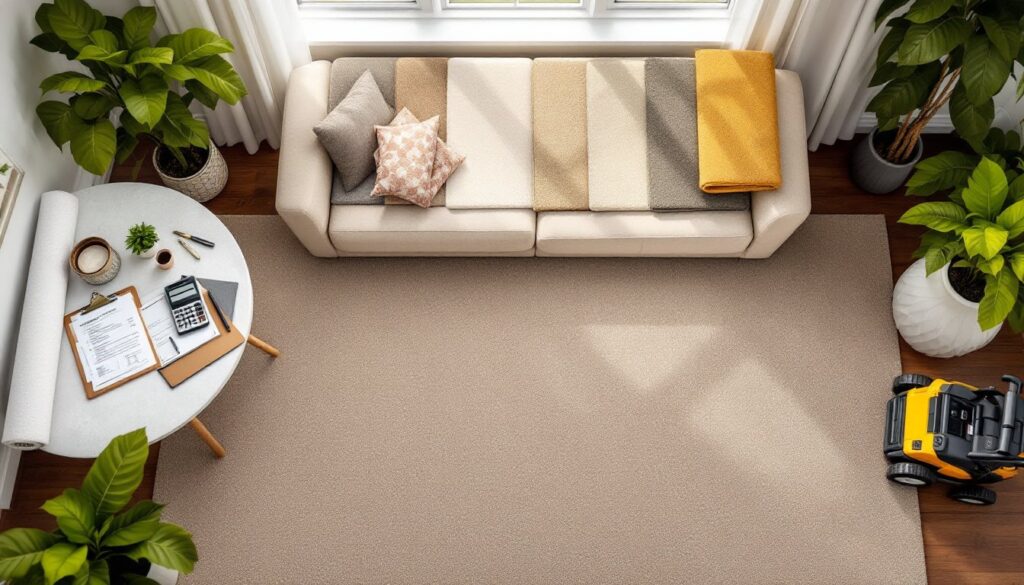
Carpet pricing starts at the fiber itself. The three most common residential fibers are nylon, polyester, and olefin, each with different durability and price points. Then you layer in pile type (cut, loop, or blend), density, and whether the carpet is solution-dyed or piece-dyed.
Budget-Friendly Options
Entry-level carpet runs $2 to $5 per square foot for the material alone. At this price point, you’re usually looking at lower-quality polyester or olefin blends with thinner pile and lighter backing. These fibers are less resilient and show traffic patterns faster, but they work fine in guest rooms, basements, or spaces with light foot traffic.
Olefin (polypropylene) is especially affordable and moisture-resistant, making it popular for basements and playrooms. The trade-off: it crushes easily and doesn’t take deep cleaning as well as nylon. Polyester feels softer initially but lacks the durability of nylon for high-traffic areas. If budget is your main driver, polyester hits the sweet spot between cost and feel, though it’ll show wear sooner in busy rooms.
Mid-Range and Premium Choices
Mid-range carpet typically costs $5 to $10 per square foot for the material. This is where you’ll find quality nylon blends, denser pile weights (higher face weight = better durability), and better backing systems. Nylon dominates the mid-market because it resists staining better and bounces back from foot traffic, critical for bedrooms and living areas where comfort and longevity matter.
Premium carpet, the kind used in high-end homes and commercial spaces, runs $10 to $20+ per square foot. These are usually 100% nylon with high twist yarns, dense pile (typically 1,000+ grams per square yard), and sophisticated textures. Frieze, saxony, and texture blends in the premium tier resist showing footprints and vacuum marks far better than budget alternatives.
One often-overlooked factor: padding underneath. Cheap carpet needs quality padding beneath it to feel good and last longer. Standard padding costs $0.50 to $1.50 per square foot and is worth the investment, it extends carpet life and improves comfort significantly. Skip cheap padding, and even good carpet will flatten and feel thin within a few years. Carpet replacement costs typically include padding in total project estimates, so ask your installer to specify the padding grade upfront.
Installation Costs You Should Know About
Labor is where carpet projects get expensive fast. Installation isn’t a DIY-friendly job, it requires a power stretcher (a $300+ tool you won’t own), seaming equipment, and years of practice to avoid wrinkles, seams showing, and premature wear.
Labor and Additional Fees
Professional carpet installation typically costs $0.50 to $2.00 per square foot in labor, depending on your region and job complexity. A 200-square-foot bedroom might run $100–$400 in labor alone. Large projects (1,000+ square feet) tend toward the lower end per square foot: small rooms cost more per square foot because the crew’s minimum visit charge doesn’t scale down.
A few installations require extra charges. Stairs add $10–$25 per step. Removing old carpet costs $0.50–$1.50 per square foot and can add $100–$300 to your invoice. If your subfloor has damage (water stains, soft spots, mold), you’re looking at repairs before the new carpet goes down, sometimes hundreds of dollars extra.
Don’t assume the cheapest bid is the best deal. Installers who cut corners on stretching or seaming will leave you with a carpet that wrinkles and wears unevenly within months. A quality installer takes time to acclimate carpet to the room’s humidity and temperature (usually 24 hours) before installation. Skipping this step causes expansion issues that can’t be fixed later. Homeowners can research contractor reviews on platforms like Angi to find installers with solid track records in their area.
Taxes and waste add another 10–15% to your total invoice. Carpet comes in 12-foot rolls, so cutting it to fit your layout creates waste. Installers typically charge for this as part of labor, but it’s worth understanding what you’re paying for.
Factors That Affect Your Total Project Cost
A handful of variables either shrink or bloat your final bill. Getting these wrong at the planning stage means surprises later.
Room Size and Carpet Grade Impact
Square footage is the obvious one: larger rooms cost more overall, but your per-square-foot price may drop slightly for bulk installations. A 2,000-square-foot whole-house project typically runs $3,000–$6,000 in material and labor combined, while a single 150-square-foot closet might cost $400–$600. The crew charges a minimum visit fee, so small jobs spread that cost thin.
Geography matters significantly. Carpet costs 20–30% more in urban markets than rural areas, and labor rates vary by region. Installing carpet in Los Angeles or New York City will cost substantially more than the same project in a smaller town. Moving companies and regional supply chains affect availability of specific colors or styles too, something readily available in one market may be special-order (and pricier) in another.
Subfloor condition is critical. If you have concrete (common in basements or slabs), moisture testing is necessary, moisture wicking up through concrete destroys carpet backing. Sealing or installing a moisture barrier adds $0.25–$0.75 per square foot. Hardwood, tile, or laminate underneath is usually straightforward, but damaged or uneven floors need leveling or repair before carpet installation.
Pattern matching and seaming add cost and complexity. Large, repetitive patterns require more careful seam placement, sometimes leaving visible seams even when done perfectly. Solid colors and small textures hide seams better and reduce labor time. If you love a bold pattern, expect your seams to be more visible or your labor costs to climb.
Season and demand affect pricing too. Spring and summer see peak demand and higher prices: winter often brings discounts because contractors have slower schedules. Negotiating price is common in the flooring industry, especially if you’re installing across multiple rooms or replacing flooring throughout your home. Bundling carpet with padding, tack strips, and disposal can sometimes earn you a better per-foot rate.
Use planning tools like ImproveNet’s renovation guides to estimate your full project scope before calling installers. Better planning means better bids and fewer surprises on invoice day.