
Window replacement isn’t cheap, but it’s one of the highest-ROI home improvements you can make. Whether you’re upgrading a single window or tackling an entire house, understanding the true cost per window replacement helps you budget accurately and avoid sticker shock. In 2026, pricing varies wildly based on window type, materials, energy ratings, and your location. This guide breaks down what you’ll actually pay, labor, materials, and everything in between, so you can make an well-informed choice and decide whether DIY installation is realistic or if hiring a pro makes sense.
Key Takeaways
- Cost per window replacement ranges from $300–$1,000+ installed depending on type and materials, with single-hung and double-hung windows representing the most affordable baseline options at $300–$800 each.
- Material selection significantly impacts pricing: vinyl frames cost $200–$400, wood frames $350–$800+, and fiberglass frames $400–$900 per window, with energy efficiency upgrades like Low-E coatings adding $50–$150 per unit.
- Professional installation labor typically costs $150–$400 per window and represents a major line item in your budget, making it essential to get three written estimates from licensed, insured contractors.
- A whole-house window replacement project (10–15 windows) generally costs $6,000–$15,000 total, with spring and fall offering potential 5–15% discounts compared to peak pricing.
- Federal tax credits and utility rebates can reduce net window replacement costs by $500–$2,000+ if you choose ENERGY STAR-certified High-Performance windows, making it worth researching before finalizing purchases.
- DIY installation can save labor costs but risks improper installation and water damage; professional installation is recommended for specialty windows, custom openings, or second-story work.
Average Window Replacement Costs by Type
Single-Hung and Double-Hung Windows
Single-hung and double-hung windows are the workhorses of most homes. A single-hung window has one moving sash (the bottom one): a double-hung has both sashes operating independently. They’re affordable, durable, and straightforward to install, which is why they dominate residential construction.
For single-hung windows, expect to pay $300–$600 per window installed, depending on size and frame material. Double-hungs run $350–$800 per window because they involve slightly more hardware and complexity. These price ranges cover standard sizes (roughly 28 to 42 inches wide and 36 to 54 inches tall). Larger custom sizes push costs up proportionally. Vinyl frames are the budget option: wood and fiberglass command premiums for durability and aesthetics. According to comprehensive pricing data on window replacement costs, single and double-hung units represent about 70% of residential replacements, making them the baseline for cost comparisons.
If you’re replacing a lower-sash-only window (an older single-hung that doesn’t need both sashes to work), you might save a bit. But modern double-hungs have become the standard because they offer better ventilation and are easier to clean, both sashes tilt in on quality models.
Specialty Windows: Casement, Sliding, and Awning
Casement windows (the kind that crank open like a door) typically run $400–$900 per window installed. They’re pricier than double-hungs because they require a crank mechanism and slightly more complex framing. The upside: excellent ventilation and a clean, contemporary look.
Sliding windows (horizontal-glide) cost around $350–$750 per window. They’re easier to operate than casements and take up less swing space if you’ve got a tight room.
Awning windows (hinged at the top, open outward) range from $400–$850 per window. Bay and bow windows, which project outward, are specialty items running $800–$2,100+ per unit because they’re custom-built and require structural support. Home renovation cost guides from ImproveNet confirm that specialty styles consistently cost 30–50% more than standard double-hungs, primarily due to custom framing and hardware complexity.
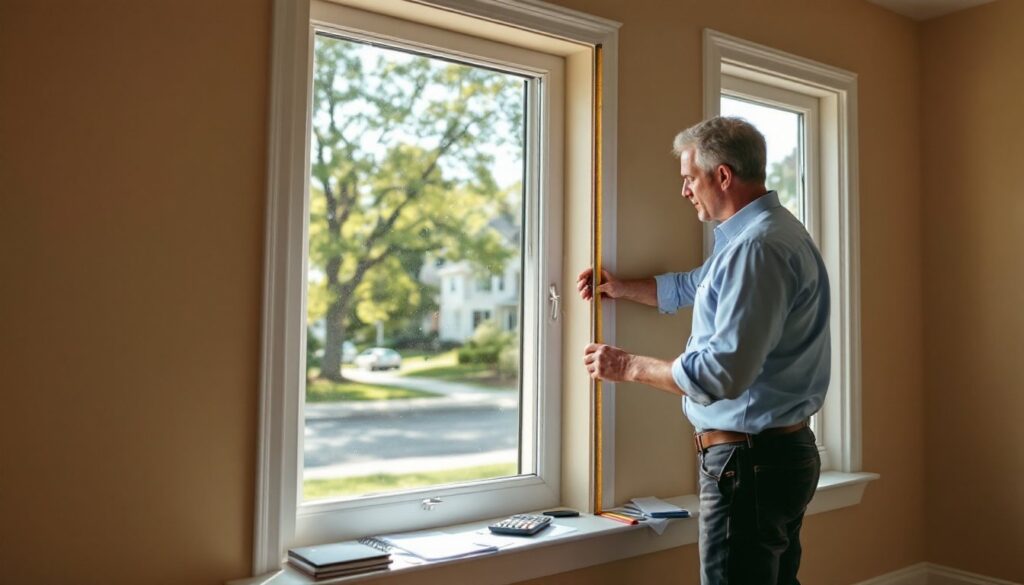
Before choosing a specialty window, measure your rough opening carefully. Most windows come in standard increments: custom sizes add 15–25% to the price.
Factors That Impact Your Window Replacement Price
Material Selection and Energy Efficiency Ratings
Vinyl frames are the budget standard, averaging $200–$400 per window (materials only). They’re maintenance-free, don’t rot, and insulate reasonably well. The tradeoff: they can look plastic-y, and dark colors may warp in extreme heat.
Wood frames cost $350–$800+ per window. They look warm and traditional, but they need regular painting or staining to prevent rot. If you’re in a high-moisture climate, expect maintenance every 5–7 years.
Fiberglass frames run $400–$900 per window. They’re the Goldilocks option: they don’t rot like wood, don’t look plastic like vinyl, and they insulate better than both. They’re becoming more popular but still less common, which keeps costs higher.
Aluminum frames are rare in residential replacement (mostly commercial), but if you encounter them, they’re cheap upfront ($150–$300) and terrible insulators, skip them for energy-conscious upgrades.
Energy efficiency ratings matter hugely. U-factor (how well the window insulates: lower is better) ranges from 0.20 to 0.40 for modern windows. Solar Heat Gain Coefficient (SHGC) measures how much solar heat passes through: aim for 0.23–0.40 if cooling costs concern you. Double-pane windows with low-emissivity (Low-E) coatings cost $50–$150 more per window than basic double-pane, but they reduce heating and cooling costs by 10–15% annually in most climates. Triple-pane adds another $100–$200 per window and is worth it if you live where temperatures regularly drop below 0°F or rise above 95°F.
Grilles (the decorative bars between panes) add $30–$60 per window and are purely cosmetic, they don’t affect performance. Skip them if budget matters.
Installation Labor Costs and Timeline
Labor is often the largest line item in a window replacement job. A professional installer charges $150–$400 per window, depending on your region, the installer’s experience, and job complexity. Urban areas and high-cost-of-living regions skew higher: rural areas trend lower. This covers removal of the old window, disposal, framing prep, new window installation, caulking, and interior trim, roughly 1 to 2 hours per window on average.
Additional labor costs kick in if your rough openings are uneven, if frames are rotted (common in older homes), or if you need additional flashing or insulation work. Expect $100–$300 extra per window if structural issues exist. Some installers charge a service call fee ($75–$150) separate from labor, ask upfront.
Timeline depends on crew size and scope. A single-window job takes 2–4 hours. A whole-house replacement (say, 10–15 windows) typically takes 2–4 days with a two-person crew. Weather delays and supply chain hiccups can push timelines back. Most reputable installers book 4–8 weeks out, so plan ahead. Home service provider reviews on Angi show that licensed, insured installers with strong ratings typically command premium labor rates but deliver faster, cleaner work with fewer callbacks.
DIY installation is possible if you’re handy and have a helper. Standard windows in well-maintained openings can be replaced with basic tools (pry bar, level, shims, caulk gun, drill). But, you’ll need to rent or buy a reciprocating saw if the old window is stuck. DIY saves labor but risks improper installation, air leaks, and water damage if flashing isn’t done correctly, a costly mistake. Consider a professional for bay windows, custom openings, or second-story work where fall risk is high.
How to Budget for Your Full Window Replacement Project
Start by counting your windows and measuring each rough opening (width × height in inches). Take photos and note any existing issues, rotted sills, failed seals, air leaks. This data guides both your material selection and installer estimates.
For a typical two-story house with 10–15 windows, budget as follows:
- Materials (windows + hardware): $3,500–$8,000 depending on frame type and energy ratings
- Labor (installation, disposal, trim): $2,000–$5,000
- Permits (varies by jurisdiction): $50–$300
- Contingency (structural surprises): $500–$1,500
Total range: $6,000–$15,000 for a whole-house job. This pencils out to $400–$1,000 per window installed in most cases.
Get three written estimates. Each should itemize window cost, labor cost, disposal, and any warranties (10–20 years is standard for installation defects). Avoid the cheapest bid automatically, it often reflects corner-cutting. Mid-range estimates from licensed, insured contractors with verifiable references are your sweet spot.
Timing matters for pricing. Spring and fall are peak window seasons: winter and summer can offer 5–15% discounts because demand dips. If budget is tight, phase the project, replace the north and west sides first (where heat loss is highest) and tackle east/south-facing windows later.
Ask about energy-efficiency rebates. Many utilities and the federal government offer tax credits ($500–$2,000+) for High-Performance windows meeting ENERGY STAR specs. These credits reduce your net cost significantly and are worth researching before you finalize your material choices.