
Hard water is a silent cost, spotty dishes, soap scum, and corroded pipes aren’t just annoying, they’re expensive. If you’re considering a water softener, you’re probably wondering what it’ll actually run you. Installation costs can range widely depending on your home’s plumbing setup, the system you choose, and whether you hire a pro or tackle it yourself. This guide breaks down the real numbers so you can budget smartly and understand where your money goes.
Key Takeaways
- The average cost to install a water softener ranges from $1,500 to $3,500 for most homes, with the system itself accounting for $800 to $2,500 and professional installation labor running $300 to $1,500.
- Water softener installation costs vary significantly based on system type, home plumbing setup, and placement location, so getting quotes from at least three contractors helps identify fair pricing and avoid overpaying by $300 to $700.
- DIY installation can save $500 to $800 on labor but requires plumbing experience, proper tools, and local permit compliance, making professional installation the safer choice for complex setups like buried water lines or copper soldering.
- A water softener typically pays for itself within 5 to 10 years by extending appliance lifespan, reducing detergent use, and preventing costly repairs to water heaters and other fixtures that suffer from hard water damage.
- Purchasing the water softener unit separately from installation labor and choosing basic features over premium add-ons like smart connectivity can save $200 to $1,000 on your total installation cost.
Average Cost To Install A Water Softener
A typical water softener installation runs between $1,500 and $3,500 for most homes, including the unit and labor. That breaks down to roughly $800 to $2,500 for the system itself, plus $300 to $1,500 in installation labor. The wide range reflects differences in system size, your home’s plumbing layout, and regional contractor rates.
National averages published by industry sources show homeowners spending closer to $2,000 to $2,500 for a mid-range setup with professional installation. If you have an older home with galvanized steel plumbing or unusual water line routing, expect the upper end. Simple installations in newer homes with accessible water lines can land near the lower end.
Factors That Impact Water Softener Installation Costs
System Type And Size
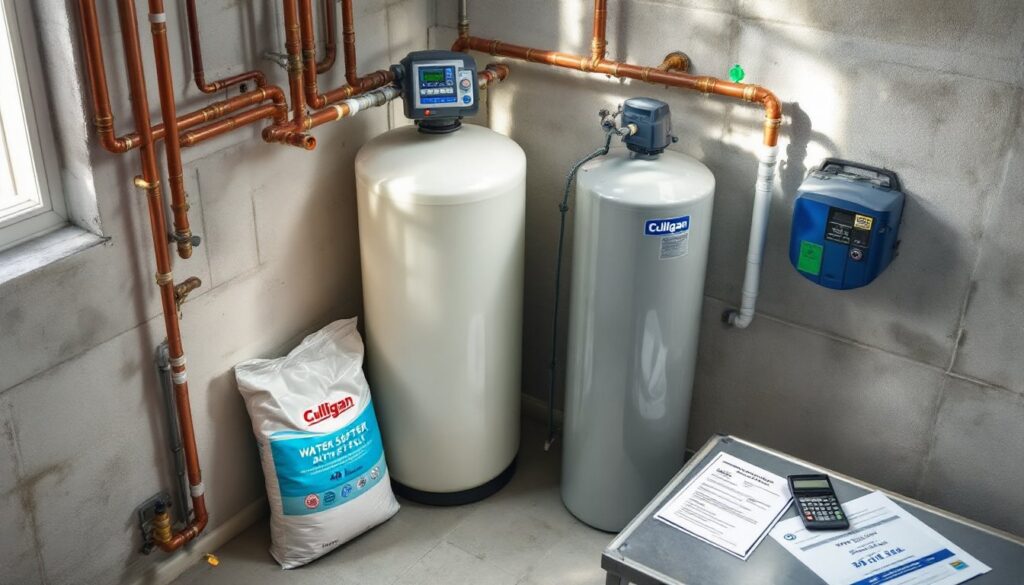
The system you choose makes a huge difference. Salt-based ion exchange softeners, the most common type, typically cost $500 to $2,000 for the unit. Salt-free systems run $1,000 to $3,000 but don’t remove hardness minerals, so they suit specific situations. Dual-tank systems for heavy-use homes start at $1,500 to $2,500 because they need more plumbing and a larger brine tank.
Size matters too. A system rated for 30,000 grains per gallon (GPG) capacity costs less than a 50,000 or 80,000 GPG unit, but undersizing wastes money when you need frequent regeneration cycles. Calculate your home’s water hardness (get a free test from your municipal water report or a local lab) and daily usage to right-size the unit.
Other cost drivers include where the softener sits (basement placement is cheapest: outdoor enclosures add $200 to $500), water line accessibility, and whether you need a separate bypass valve installation.
Professional Installation Vs. DIY
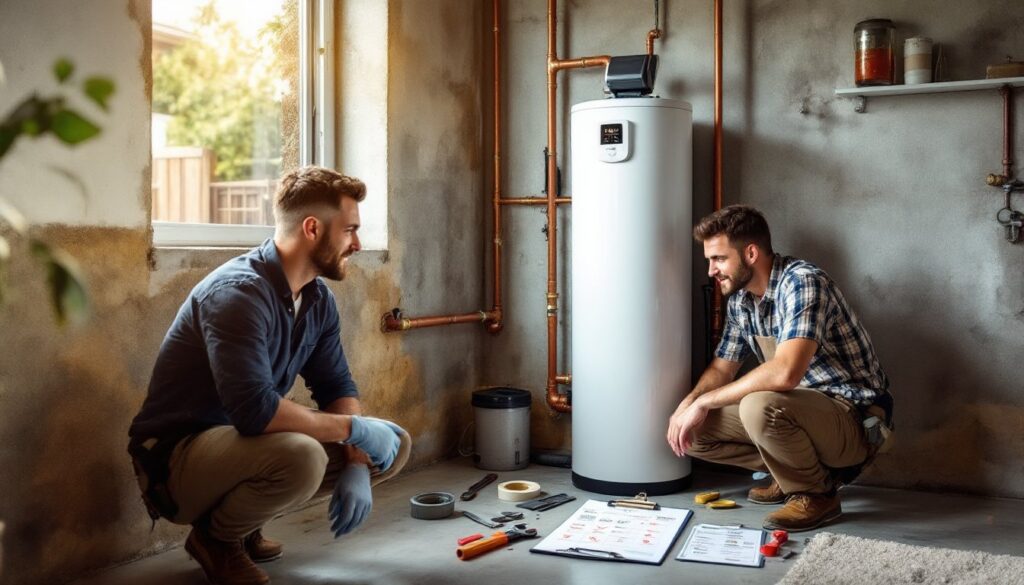
Hiring a licensed plumber or water treatment specialist guarantees correct sizing, proper code compliance, and a warranty on labor. That convenience costs $300 to $1,500 in installation fees, depending on complexity and your area’s rates. Plumbers typically charge hourly ($100 to $200 per hour) or a flat rate for straightforward jobs.
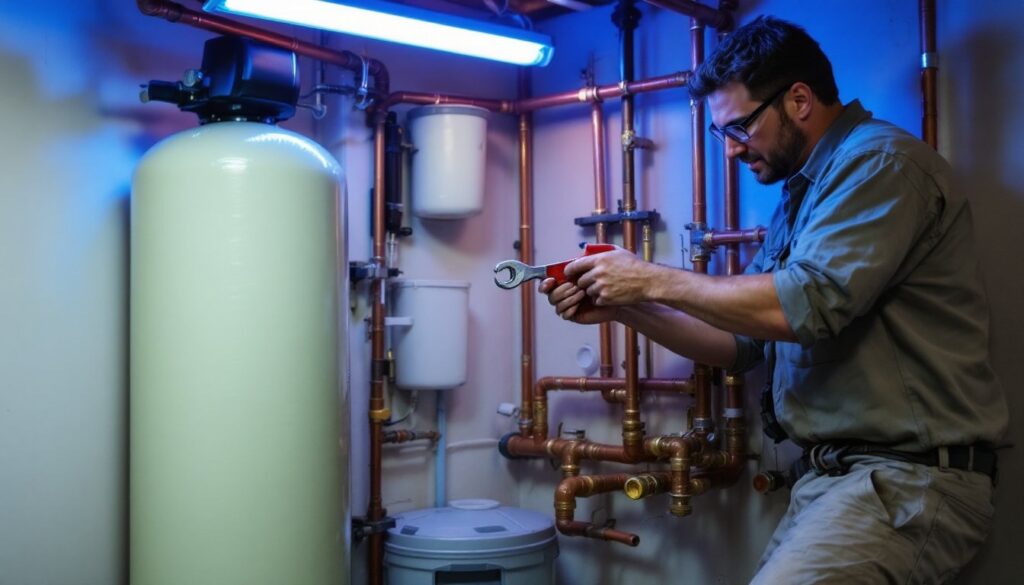
DIY installation saves labor costs but demands plumbing know-how and the right tools. You’ll need a pipe wrench, adjustable wrench, Teflon tape, and basic soldering skills if you have copper lines. If your water line is buried, accessible only through a crawl space, or requires electrical work for the control head, you’re better off calling a pro. Many jurisdictions require a licensed plumber to install softeners or handle the permit and inspection, check your local building department first.
A realistic DIY scenario: you can save $500 to $800 on labor if you’re comfortable with basic plumbing. But mistakes, like improper bypass valve installation or cross-connection issues, can cost more to fix than you saved. Be honest about your skill level.
Ways To Save Money On Your Water Softener Installation
Shop around for quotes. Get bids from at least three local contractors or water treatment dealers. Prices vary by $300 to $700 even in the same area. According to resources like HomeAdvisor, contractor estimates typically account for system type, plumbing layout, and local labor rates, so comparing detailed quotes helps you understand what you’re paying for.
Buy the system separately from installation. Some dealers bundle equipment and labor at inflated markups. Purchase a quality softener from a reputable manufacturer (check reviews, warranty terms, and customer support), then hire a plumber for installation alone. You can often save $200 to $400.
Avoid premium features you don’t need. Smart-home connectivity, fancy control panels, and extra tanks sound nice but add $300 to $1,000 to the cost. A basic timer-controlled or meter-based system handles 95% of homes’ needs.
Time your project off-season. Plumbers are busier in spring and summer: you might negotiate better rates in fall or winter. It’s a small win, but worth asking.
Consider a salt-free alternative if your situation fits. If you don’t have hardness minerals clogging your lines, just spotting, a descaler or Template Assisted Crystallization (TAC) system costs less upfront and has no regeneration cycle or brine disposal to manage.
Is A Water Softener Worth The Investment?
A water softener pays for itself over 5 to 10 years through extended appliance lifespan, lower soap and detergent use, and reduced plumbing repairs. Hard water corrodes water heaters ($1,200 to $2,000 to replace), scales dishwashers, and forces you to clean more often. If your water hardness exceeds 7 grains per gallon (GPG) and you’re planning to stay in your home long-term, installation usually makes financial sense.
The annual cost of operation, salt, minimal electricity, and occasional maintenance, runs $100 to $300 depending on your system. Compare that to the cost of repeated appliance repairs and premature replacements. Resources like Angi and ImproveNet offer detailed cost calculators that factor in your local water hardness and system size.
One caveat: if you’re selling soon, the ROI is unclear. Some buyers see it as a bonus: others view it as a niche feature. Check comparable homes in your market to gauge buyer sentiment.
Conclusion
Water softener installation typically costs $1,500 to $3,500 installed, but the exact figure depends on your system type, home’s plumbing, and whether you hire help. Get multiple quotes, clarify what’s included (equipment, labor, permit, disposal), and don’t skip the site inspection. Most homes see a solid return on investment within five to ten years through lower maintenance and longer-lasting appliances. Start with a professional water test, then decide whether a softener fits your budget and needs.