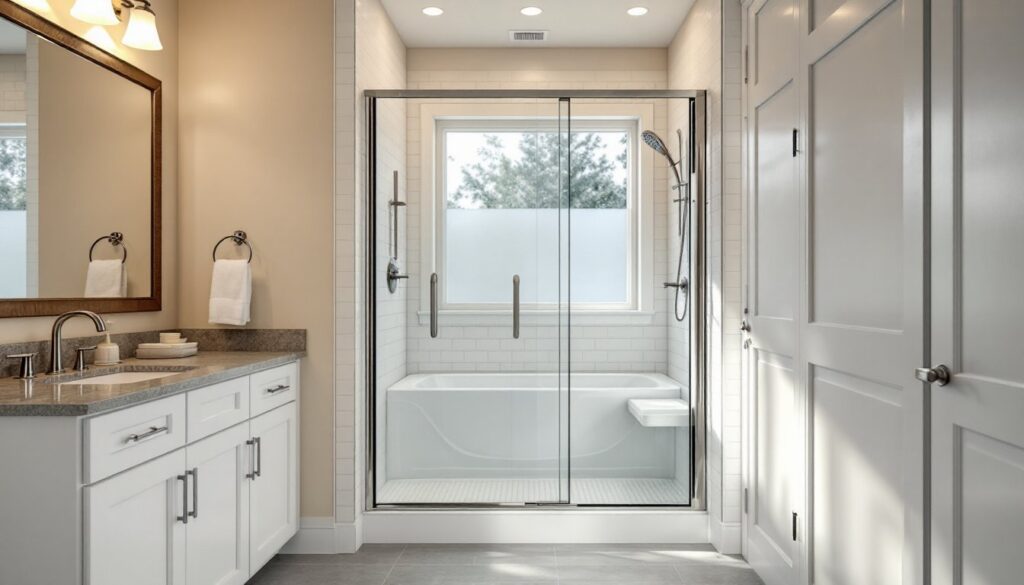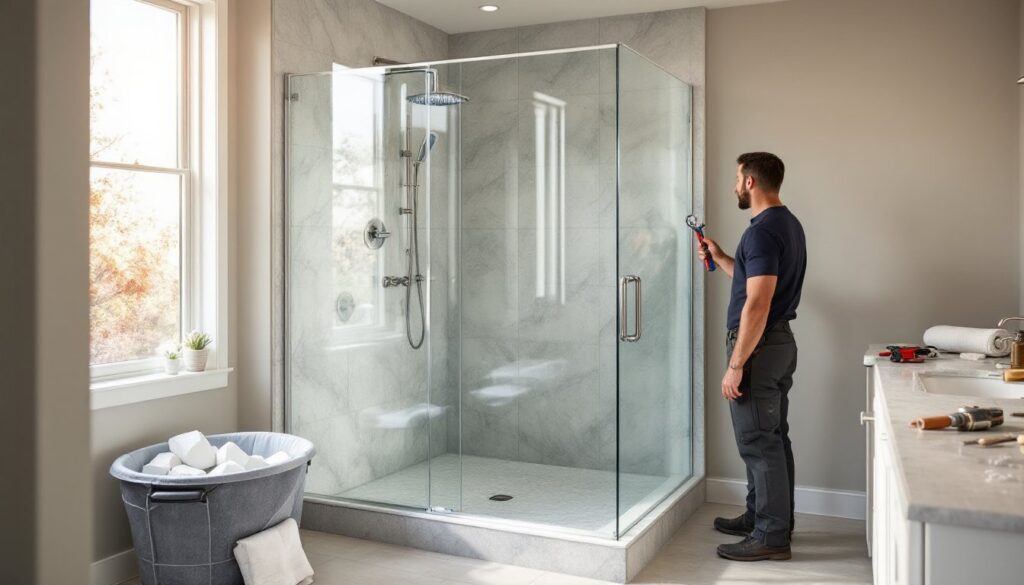

Ripping out a bathtub and installing a walk-in shower is one of the most popular bathroom renovations homeowners tackle today. The appeal is straightforward: easier access, lower fall risk, a sleeker look, and the feeling of a spa-like space without leaving home. But before you call a contractor or rent a dumpster, you’ll want solid numbers on what you’re actually spending. The cost to convert a tub to a walk-in shower ranges significantly, anywhere from $1,500 for a bare-bones DIY job to $15,000+ for a fully custom, luxury installation with premium finishes and all the bells and whistles. Most homeowners land somewhere in the middle, around $3,000 to $8,000 when both labor and materials are factored in. Understanding where your money goes makes the difference between a budget-conscious upgrade and a runaway remodel.
Key Takeaways
- The cost to replace a tub with a walk-in shower ranges from $1,500 for DIY projects to $15,000+ for luxury installations, with most homeowners spending $3,000 to $8,000 for a mid-range conversion.
- Labor typically accounts for 50–60% of your total budget, with plumbers and installers charging $100–$200 per hour and projects taking anywhere from 3–5 days for prefab showers to 2–3 weeks for custom tile work.
- Keeping the shower in the same footprint as the old tub, choosing prefabricated materials over custom tile, and handling demolition yourself can save $500–$1,500.
- Always hire licensed professionals for waterproofing, sealing, and tile work to prevent costly water damage, while you can safely handle demo, basic framing, and painting.
- Get at least three written quotes that break down labor, materials, permits, and disposal, and budget an extra 15–20% contingency fund for unexpected issues like water damage or code violations.
- Factor in permits (1–2 weeks added to timeline) and allow proper curing time for grout and sealant before using the new walk-in shower to ensure durability and safety.
Average Cost Breakdown
Let’s talk real numbers. A typical tub-to-shower conversion costs between $3,000 and $8,000 for a mid-range installation, according to current market data. Breaking that down: you’re looking at roughly $1,500 to $3,500 in materials and $1,500 to $5,000 in labor, depending on your local market and project scope.
Materials typically include the shower base or pan (the floor of your shower), walls, whether tile, acrylic, or prefab panels, a showerhead, valve, mixing trim, and the rough-in plumbing work. If you’re pulling out an old cast-iron tub, add disposal costs.
Tub-to-shower conversion costs range widely, with some conversions staying under $2,000 using budget acrylic bases and prefab walls, while others climb toward $12,000 when custom tile work, heated floors, or luxury fixtures enter the picture. A preformed fiberglass or acrylic shower enclosure is the quickest, cheapest route. Custom tile showers take longer and cost more but offer endless design flexibility. High-end options like natural stone, hand-laid porcelain, or walk-in designs with multiple showerheads and body jets will push your budget significantly higher.
Factors That Influence Your Total Cost
Your final bill depends on several variables working in concert. First, location matters, labor rates in urban areas typically run 20–40% higher than rural zones. Second, the existing plumbing layout affects whether you’re doing a simple swap (tub and shower in the same footprint) or a more involved reconfiguration (moving drain lines, adding a new vent, or extending supply lines). Third, the shower size and shape influence material costs: a 3-by-5-foot standard walk-in costs less than a sprawling 5-by-8-foot luxury spa shower.
Labor vs. Material Expenses
Labor usually eats 50–60% of your total budget for a professional installation. A plumber charges $100 to $200 per hour and might spend 8 to 16 hours on the job (inspection, rough plumbing, finish work). A tile setter or shower installer charges similar rates. Materials cover the shower pan, walls, fixtures, waterproofing, and miscellaneous hardware.
The choice of wall material heavily shifts the labor/material ratio. A prefab acrylic or fiberglass shower is quick, a plumber and an installer can finish in 2 to 4 days, and you’re done. Tile work requires waterproofing prep, layout, cutting, grouting, and curing, easily 5 to 10 days. Bathroom remodeling resources like ImproveNet can help you get multiple quotes to understand the labor breakdown in your area. If your subfloor is soft, water-damaged, or uneven, add $500 to $1,500 for repair or reinforcement before the new shower goes in.
Planning Your Budget and Timeline
Start by getting at least three written quotes from licensed plumbers and shower installers in your area. Include scope details: existing tub size, desired shower dimensions, wall finish (tile, acrylic, natural stone), fixture upgrades, and any plumbing moves. A quote should break down labor, materials, permits, and disposal.
Budget for the unexpected. Once walls come off, you might discover rotten framing, outdated wiring, or plumbing that doesn’t meet current code, all add-ons. A contingency fund of 15–20% above your estimate is smart. Timeline-wise, a straightforward prefab shower conversion takes 3 to 5 working days: custom tile work stretches to 2 to 3 weeks once waterproofing and grout curing are factored in. Permits often add 1 to 2 weeks to the front and back end, depending on your municipality. Factor in shower acclimation time, fresh grout and sealant need proper curing before heavy use.
Money-Saving Tips for Your Shower Conversion
Keep the shower in the same footprint as the old tub. Moving plumbing, especially drain lines and vents, costs real money: staying put saves hundreds. Choose a prefabricated shower base and wall kit over custom tile if budget is tight. A quality acrylic or fiberglass unit costs $800 to $1,800 and installs in days rather than weeks.
Source fixtures separately. Buying a complete shower kit from a big-box retailer might seem cheaper, but mixing and matching (a solid valve from a plumbing supplier, a sleek showerhead from a design-focused retailer, trim from another source) often yields better quality at similar cost. Install it yourself if you’re comfortable with plumbing fundamentals, but hire pros for the critical sealing and waterproofing, that’s where water damage starts if done wrong.
Wait for sales. Most bathroom fixtures go on sale during Black Friday, Presidents’ Day, and end-of-season sales. Plan your project around a known sale window if you can. Finally, handle demo yourself. Removing the old tub and hauling debris can cost $300 to $800 if a contractor does it: you and a friend can do it in a weekend with a reciprocating saw and a rented dumpster for $50 to $150.
When to Hire a Professional vs. DIY
Demo and basic framing? You can handle that. Rough plumbing and rough electrical? If you have experience and local codes permit owner-builder permits, go for it, otherwise, hire a licensed plumber and electrician. Waterproofing and tile work require a steady hand and knowledge of industry standards: mistakes here lead to leaks that damage your home for years. Sealing tile, applying grout, and ensuring proper slope in the pan are genuinely specialized skills.
A middle-ground approach: hire pros for the wet work (plumbing, waterproofing, tiling) and handle demolition, painting, and trim yourself. According to cost guides for tub-to-shower conversions, many homeowners save $500 to $1,500 this way. Always pull permits if your jurisdiction requires them, skipping permits risks fines, inspection failures, and trouble selling your home later. Structural changes, plumbing runs, or electrical work almost always need permits and licensed labor.
Conclusion
A tub-to-shower conversion costs $3,000 to $8,000 on average in 2026, depending on materials, labor, location, and your level of involvement. The real key is managing scope creep and getting clear quotes upfront. Plan for contingencies, don’t skip waterproofing, and be honest about which tasks belong in professional hands. Done right, you’ll have a safe, beautiful shower that adds genuine value and functionality to your home for decades.