
Upgrading your home with smart technology is exciting, but getting it done right requires skilled hands. A smart home electrician near you can handle everything from wiring wall switches to installing network infrastructure, work that demands both electrical expertise and familiarity with IoT systems. Whether you’re adding voice-controlled lights, hardwiring a smart security system, or integrating an automated climate setup, finding the right electrician saves you money, time, and headaches. This guide walks you through what to expect, where to search, and how to vet professionals before hiring.
Key Takeaways
- A smart home electrician near you combines traditional electrical expertise with knowledge of low-voltage systems, networking, and IoT integration to safely hardwire lighting, thermostats, security systems, and network infrastructure.
- Verify licensing, insurance, and bonding before hiring—ask electricians about specific experience with brands like Lutron or Control4, and request references from recent smart home projects rather than general electrical work.
- Common smart home installation projects include hardwired lighting systems, thermostat integration, network infrastructure, security systems, and whole-home automation hubs, each requiring different expertise and permits.
- Get detailed estimates that break down materials, labor by task, and permit costs; be upfront about your budget and timeline so the electrician can help you phase the work and explain any limitations in your electrical system.
- A qualified smart home electrician ensures your system passes inspection, integrates seamlessly with connected devices, and provides post-installation troubleshooting—avoiding costly mistakes and safety hazards.
What a Smart Home Electrician Does
A smart home electrician isn’t just someone who can install a standard outlet or replace a breaker. These professionals combine traditional electrical skills with knowledge of low-voltage systems, networking, and connected device integration.
Smart home electricians typically handle:
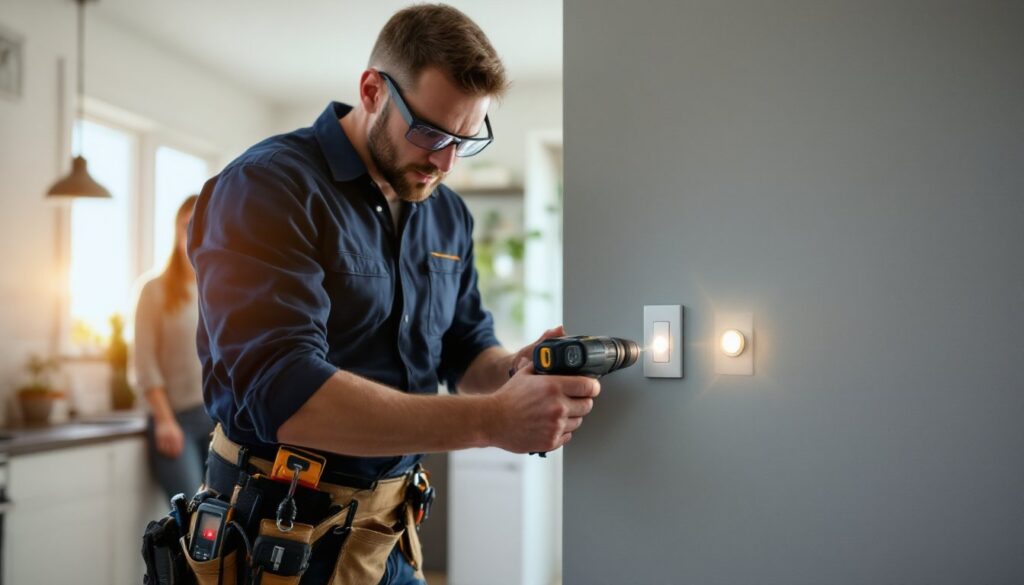
- Hardwiring smart lighting systems into your electrical panel and walls, not just hanging smart bulbs
- Installing smart thermostats and HVAC integration with proper wiring and system setup
- Running network cable and Wi-Fi infrastructure to ensure reliable connectivity throughout the home
- Setting up smart security systems, doorbell cameras, smart locks, motion sensors, with correct wiring and integration
- Creating dedicated circuits for smart home hubs or servers that need stable power
- Troubleshooting connectivity issues when devices won’t communicate with your network
This work differs from DIY smart bulb swaps. A qualified electrician verifies that your electrical system can handle new loads, installs wiring that meets code, and ensures your smart devices integrate seamlessly. They’ll also spot safety issues, like outdated wiring or insufficient capacity, that could prevent your smart home from working properly or create fire hazards. If your project involves any hardwiring, panel work, or permanent installation, you’ll likely need a licensed electrician in your jurisdiction, sometimes with a permit.
How to Find a Qualified Smart Home Electrician Nearby
Online Search Strategies and Directories
Start by searching online directories that specialize in local trades. Platforms like Angie’s List let you filter by service type and read customer reviews specific to smart home work. A smart home tech guide can help you understand what systems align with your home before you meet with an electrician, so you’re both speaking the same language.
Google Maps and Yelp are quick checks for contact info and ratings, but they don’t always capture smart home expertise. Look specifically for electricians who mention automation, smart home, or IoT integration on their website or profile. Facebook local groups for homeowners in your area often have contractor recommendations, these tend to be honest because neighbors won’t fake reviews.
For more comprehensive project planning, HomeAdvisor connects you with local contractors, estimates costs, and shows project timelines. Many smart home electricians also list services on Houzz, where you can browse their portfolio of completed installations.
Vetting and Verification Methods
Before calling, verify licensing. Most states require electricians to hold a journeyman or master license. Use your state’s licensing board website to confirm credentials. Ask for proof of insurance and bonding, this protects you if something goes wrong on the job.
Call at least three electricians and ask the same questions: How many smart home projects have they completed? What systems and brands do they work with regularly? Do they pull permits for hardwired smart devices? A veteran smart home electrician will mention specific experience with Lutron, Control4, Crestron, or other systems you’re considering, rather than generic “we can install anything” answers.
Request references from recent smart home jobs, not just any electrical work. Smart home integration is different from rewiring a kitchen, so you want someone who’s done it before. Read online reviews for patterns: Do customers mention reliability? Did the work pass inspection on the first try? A few negative reviews happen to everyone, but repeated complaints about missed deadlines or poor communication are red flags.
Also ask about warranty on labor and how they handle troubleshooting after installation. A good electrician won’t ghost you if your system has teething problems in the first month.
Common Smart Home Installation Projects
Understanding what electricians typically install helps you prepare a realistic scope and budget.
Smart Lighting Systems: These go beyond buying smart bulbs at the hardware store. An electrician installs smart switches or dimmers wired into your electrical system, often replacing existing switches. High-end systems like Lutron or Philips Hue can be programmed for scheduling, remote control, and scenes (e.g., “movie time” dims all lights to 10%). Installation usually takes a few hours per room and requires running wiring if the switch box doesn’t already support low-voltage control.
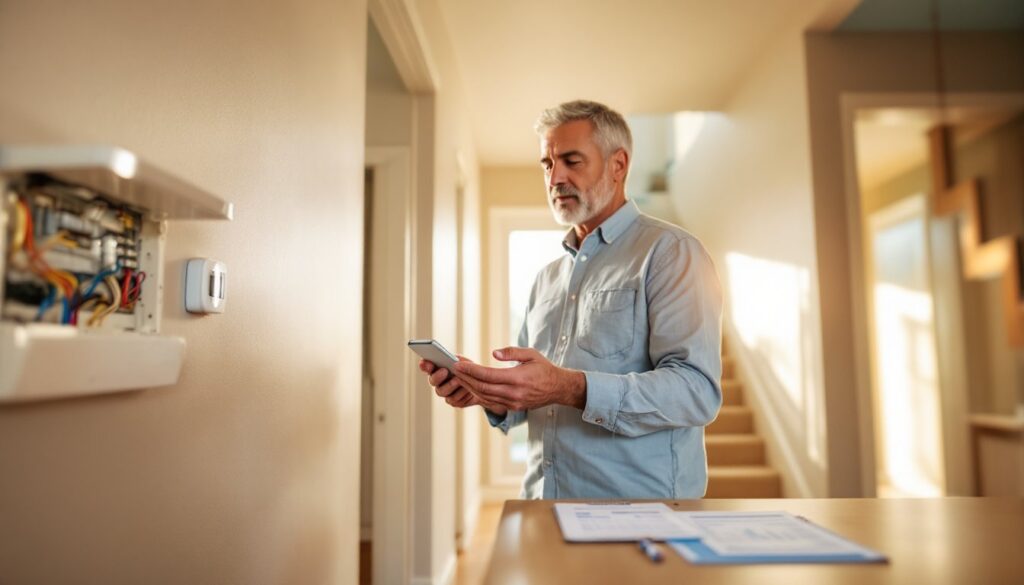
Smart Thermostats and HVAC Integration: Installing a Nest, Ecobee, or Honeywell Home thermostat is sometimes a DIY job if your existing wiring is compatible, but an electrician ensures proper integration with your heating and cooling system. They’ll also wire smart humidifiers, ventilation, or zoning systems, jobs that touch your HVAC and electrical systems simultaneously.
Network Infrastructure: A smart home electrician may run Ethernet cable (Cat 6 or Cat 6A) through walls, ceilings, and crawl spaces to support Wi-Fi access points, security cameras, or a central hub. This low-voltage work is separate from electrical panel circuits but still requires planning and permits in some jurisdictions.
Smart Security: Hardwiring a smart doorbell camera, keypad locks, or motion sensors requires an electrician who understands both power requirements and network integration. A pro will install a dedicated circuit or power supply if needed and integrate everything into your security system.
Whole-Home Automation Hubs: Some homeowners want a dedicated server or hub for controlling all smart devices. An electrician will identify the best location, run power, and ensure a clean, stable electrical supply for reliable operation. How to get started with smart home tech often begins with this central infrastructure decision.
What to Expect and Questions to Ask
When an electrician arrives for a consultation, they’ll assess your electrical panel, current wiring, load capacity, and the layout of your home. They should walk you through what’s possible, what requires permits, and what timeline you’re looking at. Expect detailed questions about your smart home goals, not all electricians charge the same rate, and prices vary based on complexity.
Key questions to ask:
- “What’s your experience with [specific brand or system] I want to use?”
- “Will this project require permits, and do you pull them?”
- “What’s included in the estimate, labor, materials, testing, and final inspection?”
- “How do you handle changes or unforeseen issues like outdated wiring?”
- “What’s your timeline from start to finish?”
- “Do you offer any warranty on labor, and how long?”
- “If something doesn’t work after installation, how do you troubleshoot?”
A solid estimate breaks down materials, labor by task, and any costs for permits or inspections. If an electrician gives a flat number without detail, ask for a line-by-line breakdown. You’re also allowed to ask about alternatives, a smart home tech that addresses your home’s current capacity versus one that requires a panel upgrade can dramatically change cost and timeline.
Be clear about your budget upfront. If you’re comparing smart lighting across three rooms, say so. If you’re starting with the essentials now and expanding later, mention that too. A trustworthy electrician will help you phase the work if needed, prioritizing the most impactful or urgent upgrades. They’ll also explain upfront if your current electrical system has limitations, like insufficient capacity for multiple new circuits, so you’re not blindsided on the bill.
Conclusion
Finding a qualified smart home electrician near you takes a bit of legwork, but it pays off in a system that works reliably and passes inspection. Verify licenses, check references, ask about specific experience, and get detailed estimates before hiring. A good electrician will be honest about what’s possible in your home, explain trade-offs, and walk you through the full scope. Whether you’re starting small or building a whole-home automation system, partnering with a professional ensures your smart home is as reliable as it is convenient.