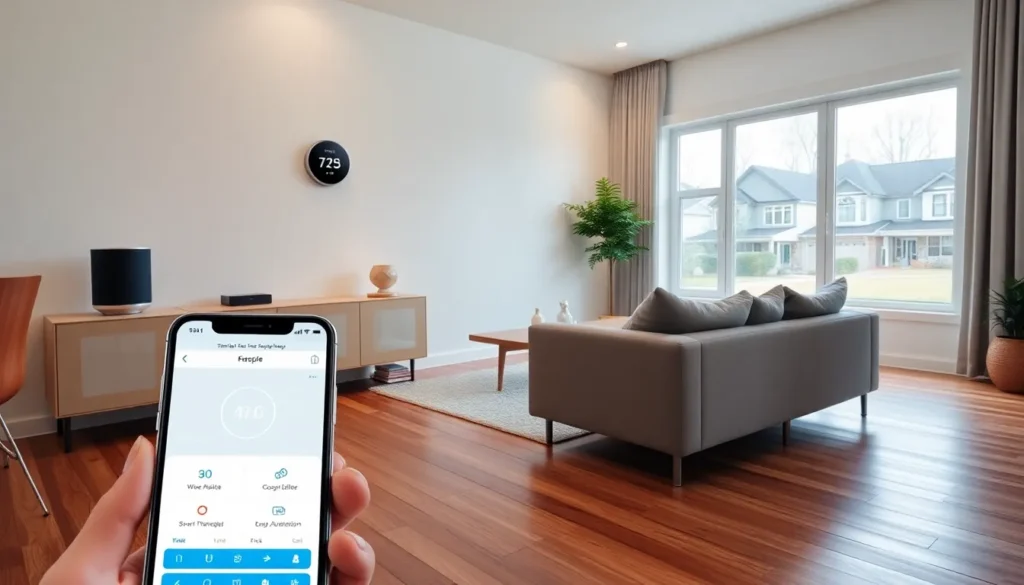

Smart home tech tools have changed how people interact with their living spaces. These devices connect through wireless networks and respond to voice commands, smartphone apps, or automated schedules. The result is a home that adjusts to daily routines, saves energy, and provides better security.
The global smart home market continues to grow each year. More households now use connected devices for lighting, climate control, entertainment, and safety. This guide covers the essential smart home tech tools every homeowner should consider, the main device categories, and how to build a system where everything works together.
Table of Contents
ToggleKey Takeaways
- Smart home tech tools connect through wireless networks to enable remote control, automation, and seamless integration between devices.
- Voice assistants like Alexa, Google Assistant, and Siri serve as the command center for controlling other smart devices in your home.
- Smart thermostats and lighting are the most popular entry points, offering energy savings and convenient scheduling through apps or voice commands.
- Security devices such as video doorbells, smart locks, and sensors provide peace of mind with real-time alerts and remote monitoring.
- Choose a primary platform (Amazon, Google, or Apple) before buying devices to avoid compatibility issues with your smart home tech tools.
- Look for Matter-certified products to ensure cross-platform compatibility and reduce brand lock-in as you expand your smart home.
What Makes a Home Smart
A smart home uses internet-connected devices that communicate with each other and with the homeowner. These devices share data through a central hub, a router, or direct connections. The key difference between regular appliances and smart home tech tools is this network connectivity.
Three core features define a smart home:
- Remote control: Homeowners can adjust settings from anywhere using a smartphone or tablet.
- Automation: Devices follow preset rules. Lights turn on at sunset. The thermostat lowers when everyone leaves.
- Integration: Different devices work together. A motion sensor triggers lights. A doorbell camera sends alerts to a smart speaker.
Smart home tech tools range from simple plug-in devices to whole-house systems. A single smart bulb counts as an entry point. A full setup might include dozens of sensors, cameras, and controllers.
The technology relies on communication protocols. Wi-Fi handles most devices. Zigbee and Z-Wave offer lower power consumption for sensors and switches. Matter, a newer standard, promises better compatibility across brands. Understanding these protocols helps homeowners choose devices that will work together without issues.
Top Smart Home Categories to Consider
Smart home tech tools fall into several main categories. Each serves a specific purpose, and most homes benefit from a combination of these devices.
Voice Assistants and Smart Speakers
Voice assistants act as the command center for many smart homes. Amazon Alexa, Google Assistant, and Apple Siri lead this category. Users speak commands instead of opening apps or pressing buttons.
Smart speakers like the Amazon Echo or Google Nest Audio provide hands-free control. They play music, answer questions, set timers, and control other connected devices. Some models include screens for video calls and visual feedback.
The choice of voice assistant often determines which other smart home tech tools work best. Amazon devices integrate smoothly with Ring cameras. Google products connect well with Nest thermostats. Apple HomeKit offers tight integration for iPhone users.
Smart Lighting and Climate Control
Lighting represents the most popular entry point into smart home technology. Smart bulbs from Philips Hue, LIFX, and Wyze screw into standard sockets. They offer dimming, color changes, and scheduling through apps or voice commands.
Smart switches replace traditional wall switches. They control existing light fixtures without changing bulbs. This approach works well for homes with many recessed lights or fixtures that use specialty bulbs.
Climate control devices save money and improve comfort. Smart thermostats like the Ecobee and Google Nest Learning Thermostat track household patterns. They adjust heating and cooling based on occupancy and weather forecasts. Many utility companies offer rebates for these devices because they reduce energy waste.
Smart fans and air quality monitors round out climate control. These smart home tech tools respond to temperature, humidity, and air quality readings automatically.
Security and Monitoring Systems
Security devices give homeowners peace of mind. Video doorbells from Ring, Nest, and Arlo show who is at the door. They record footage and send alerts to smartphones.
Indoor and outdoor cameras monitor property around the clock. Many offer two-way audio, motion detection zones, and cloud storage for recordings. Some process video locally to reduce subscription costs.
Smart locks replace traditional deadbolts. Homeowners unlock doors with codes, fingerprints, or smartphone apps. They grant temporary access to guests or service workers. August, Schlage, and Yale make popular models that work with most smart home platforms.
Sensors add another layer of protection. Door and window sensors detect entry. Water leak sensors alert homeowners before flooding causes damage. Smoke and carbon monoxide detectors send smartphone notifications alongside traditional alarms.
How to Build a Compatible Smart Home Ecosystem
Building a smart home requires planning. Random device purchases often lead to compatibility headaches. A few strategies help create a system where all smart home tech tools work together.
Start with a platform choice. Pick Amazon Alexa, Google Home, or Apple HomeKit as the primary ecosystem. Check device compatibility before buying anything. Most product pages list supported platforms.
Consider a smart home hub. Hubs like Samsung SmartThings or Hubitat connect devices from different manufacturers. They bridge gaps between protocols and enable advanced automation rules. Some smart home tech tools require a hub to function.
Look for Matter certification. Matter is an industry standard launched in 2022. Devices with Matter support work across Amazon, Google, and Apple platforms. This reduces lock-in and expands future options.
Plan for network demands. Smart homes stress Wi-Fi networks. A mesh router system handles many connected devices better than a single router. Separate networks for smart devices and personal computers improve security.
Start small and expand. Begin with one category, like lighting or a voice assistant. Add devices gradually. This approach reveals compatibility issues before they become expensive problems.
Check app quality. The best smart home tech tools come with reliable apps. Read reviews about app stability and feature updates. A great device with a terrible app creates daily frustration.
Cloud services and subscriptions factor into long-term costs. Some devices work fully offline. Others require monthly fees for cloud storage or advanced features. Factor these ongoing costs into purchase decisions.