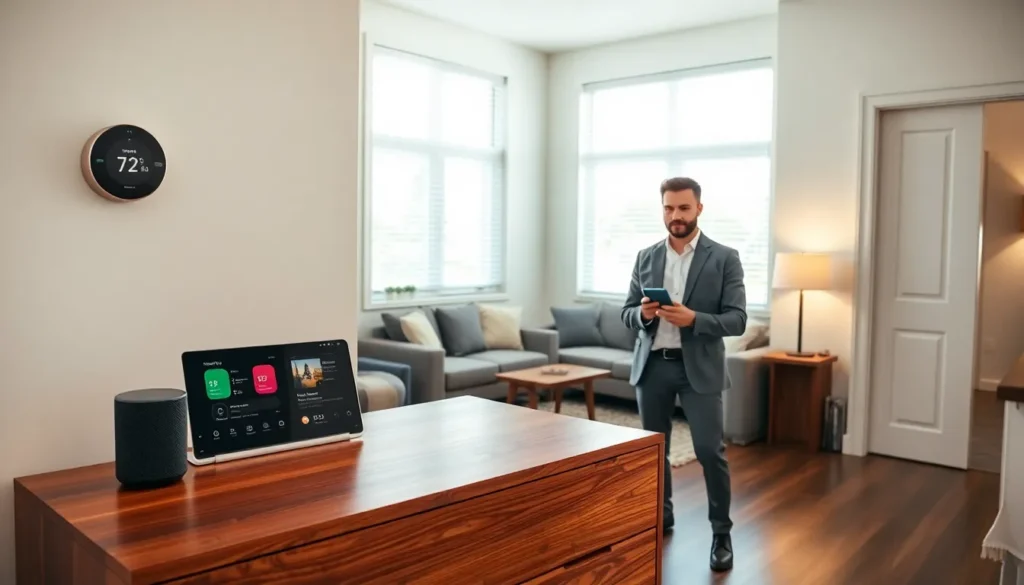

Smart home tech strategies help homeowners create efficient, connected living spaces. A well-planned smart home saves time, reduces energy costs, and improves daily comfort. But getting started can feel overwhelming. Should you pick Google Home or Amazon Alexa? Do you need a hub? What about security risks?
This guide breaks down the essential steps for building a smart home that actually works. From choosing the right platform to setting up automations that make life easier, these strategies will help anyone create a connected home without wasting money or time.
Table of Contents
ToggleKey Takeaways
- Effective smart home tech strategies start with defining your priorities and mapping automation opportunities room by room.
- Upgrade your Wi-Fi infrastructure before adding smart devices—reliable internet is the foundation of any connected home.
- Choose one primary ecosystem (Alexa, Google Home, or Apple HomeKit) and stick with it to avoid compatibility headaches.
- Secure your smart home by changing default passwords, enabling two-factor authentication, and creating a separate network for devices.
- Start small with high-impact devices like smart plugs and speakers, then scale gradually based on actual needs and ROI.
- Use automations like morning routines, away modes, and conditional triggers to transform individual devices into a truly intelligent home.
Planning Your Smart Home Ecosystem
Every successful smart home starts with a plan. Jumping into random device purchases leads to compatibility issues and wasted money. Smart home tech strategies work best when homeowners think about their goals first.
Define Your Priorities
Start by asking: What problems do you want to solve? Some people want energy savings. Others prioritize security or entertainment. A family with young kids might focus on safety features like smart locks and cameras. An elderly homeowner might want voice-controlled lights and automated reminders.
Make a list of your top three priorities. This list guides every purchase decision.
Map Out Your Home
Walk through each room and identify opportunities for automation. The kitchen might benefit from smart plugs for coffee makers. Bedrooms often work well with smart lighting and thermostats. Don’t forget outdoor spaces, smart irrigation systems and security cameras add real value.
Check Your Wi-Fi Infrastructure
Smart devices need reliable internet. A home with 20+ connected devices will struggle on an old router. Consider upgrading to a mesh Wi-Fi system before adding smart tech. Dead zones kill the smart home experience.
Many homeowners skip this step and regret it later. Strong Wi-Fi is the foundation of effective smart home tech strategies.
Choosing the Right Hub and Platform
The platform choice shapes your entire smart home experience. The three major ecosystems, Amazon Alexa, Google Home, and Apple HomeKit, each have strengths and weaknesses.
Amazon Alexa
Alexa supports the widest range of devices. It’s affordable and integrates with thousands of products. The downside? Privacy concerns and occasional awkward voice interactions. Alexa works best for budget-conscious buyers who want maximum compatibility.
Google Home
Google Assistant excels at understanding natural language. It handles complex questions better than competitors. Google Home also integrates smoothly with Android phones and Chromecast devices. For households already invested in Google services, this platform makes sense.
Apple HomeKit
HomeKit prioritizes privacy and security. Apple reviews every compatible device before approval. The trade-off is fewer supported products and higher prices. iPhone users who value privacy often prefer HomeKit even though limited options.
Do You Need a Hub?
Some smart devices connect directly to Wi-Fi. Others use protocols like Zigbee or Z-Wave, which require a hub. Hubs can actually improve reliability and reduce Wi-Fi congestion. The new Matter standard promises better cross-platform compatibility, but adoption is still growing.
Pick one primary ecosystem and stick with it. Mixing platforms creates headaches. Smart home tech strategies succeed when devices communicate seamlessly.
Prioritizing Security and Privacy
Connected devices create entry points for hackers. A poorly secured smart home puts personal data and physical safety at risk.
Secure Your Network
Change default passwords on every device immediately. Use strong, unique passwords for each product. Enable two-factor authentication wherever available. Consider creating a separate Wi-Fi network just for smart home devices, this isolates them from computers and phones containing sensitive data.
Research Before Buying
Not all smart device manufacturers take security seriously. Before purchasing, check if the company provides regular firmware updates. Look for products with local processing options rather than cloud-only solutions. Read reviews specifically mentioning security track records.
Cameras and Voice Assistants
Smart cameras and voice assistants raise legitimate privacy concerns. Position cameras to avoid capturing neighbors’ property. Review voice assistant privacy settings and delete stored recordings regularly. Some users prefer devices with physical mute buttons for added peace of mind.
Strong security practices are essential smart home tech strategies. The convenience of automation isn’t worth compromising personal safety.
Automation Strategies for Daily Convenience
Automation transforms a collection of smart devices into a truly intelligent home. The goal is setting up routines that run without manual input.
Morning Routines
Program lights to gradually brighten at wake-up time. Have the thermostat adjust temperature 30 minutes before the alarm. Set the coffee maker to start brewing automatically. A good morning routine eliminates repetitive tasks and starts the day smoothly.
Away and Home Modes
Create an “Away” mode that activates when everyone leaves. This mode can lock doors, arm security systems, adjust thermostats, and turn off unnecessary lights. A “Home” mode reverses these actions when someone arrives. Geofencing using smartphone location makes these triggers automatic.
Evening Wind-Down
Smart home tech strategies shine at bedtime. Set lights to dim gradually after sunset. Program the thermostat for optimal sleeping temperature. Have the system lock all doors and activate night mode on security cameras at a specific time.
Conditional Automations
Advanced users can create “if this, then that” scenarios. If motion is detected at night, turn on hallway lights at 20% brightness. If the doorbell rings while away, send a notification and start recording. If humidity rises above 60%, activate the bathroom fan.
Start with simple automations and add complexity over time. Overly complicated setups often break and frustrate users.
Budgeting and Scaling Your Smart Home Over Time
Smart homes don’t require massive upfront investments. The best approach is gradual expansion based on actual needs.
Start Small
Begin with high-impact, low-cost devices. Smart plugs cost under $15 and add control to existing appliances. A smart speaker provides voice control and serves as a hub. Smart bulbs let homeowners test lighting automation without rewiring anything.
This starter kit costs under $100 and demonstrates the value of smart home tech strategies before bigger investments.
Prioritize ROI
Some smart devices pay for themselves. Smart thermostats typically save 10-15% on heating and cooling bills. Smart power strips eliminate phantom energy drain. LED smart bulbs use far less electricity than traditional options. Calculate potential savings when deciding where to invest next.
Plan for Future Expansion
Buy devices that support your chosen ecosystem. Avoid proprietary products that only work with one brand’s app. The Matter standard is making cross-platform compatibility easier, so newer devices often offer better long-term flexibility.
Set a Yearly Budget
Allocate a specific amount for smart home upgrades each year. This prevents impulse purchases and ensures thoughtful expansion. Many homeowners find $200-400 annually allows steady progress without financial strain.
Patience matters. A smart home built over three years usually works better than one assembled in a shopping spree.