Smart home tech has changed how people interact with their living spaces. These connected devices let homeowners control lighting, temperature, security, and entertainment from a smartphone or voice command. The global smart home market reached $121 billion in 2024, and analysts expect it to grow significantly through 2030.
This guide covers everything readers need to know about smart home technology. It explains what these systems do, which devices offer the best value, and how to start building a connected home. Whether someone wants to save energy, boost security, or simply make daily routines easier, smart home tech delivers practical solutions.
Key Takeaways
- Smart home tech uses connected devices, central hubs, and user interfaces to automate everyday tasks and provide remote control over your home.
- Smart thermostats can reduce heating and cooling costs by 10-15% annually, often paying for themselves within two years.
- Start your smart home journey by choosing an ecosystem (Alexa, Google Home, or Apple HomeKit) and adding a smart speaker as your command center.
- Security cameras, video doorbells, and smart locks create layered protection with instant alerts sent directly to your smartphone.
- Entry-level smart home setups cost $200-400, making it easy to start small and expand based on your household’s specific needs.
- Always check device compatibility with your chosen ecosystem before purchasing, as the Matter standard isn’t yet supported by all products.
What Is Smart Home Technology
Smart home technology refers to devices and systems that connect to the internet and communicate with each other. These products automate everyday tasks and give users remote control over their homes.
At its core, smart home tech relies on three components:
- Connected devices: Physical products like thermostats, lights, locks, and cameras
- A central hub or ecosystem: Platforms like Amazon Alexa, Google Home, or Apple HomeKit that coordinate devices
- User interfaces: Apps, voice assistants, or touchscreens that let people issue commands
The “smart” part comes from automation and learning. A smart thermostat doesn’t just let someone adjust temperature remotely, it learns their schedule and preferences over time. Smart lighting can turn on automatically at sunset or when someone enters a room.
Smart home tech uses wireless protocols to communicate. Wi-Fi handles most connections, but many devices also use Zigbee, Z-Wave, or Thread for lower power consumption and better reliability. Matter, a newer standard launched in 2022, aims to make different smart home devices work together regardless of manufacturer.
The distinction between “smart” and “connected” matters here. A connected device simply links to the internet. A smart device goes further, it processes data, adapts to patterns, and makes decisions without constant user input.
Popular Smart Home Devices and Categories
The smart home tech market offers products for nearly every room and function. Here are the most popular categories:
Smart Speakers and Displays
Voice assistants serve as the command center for many smart homes. Amazon Echo, Google Nest, and Apple HomePod let users control other devices, play music, set timers, and get information through voice commands. Smart displays add screens for video calls, recipes, and security camera feeds.
Smart Lighting
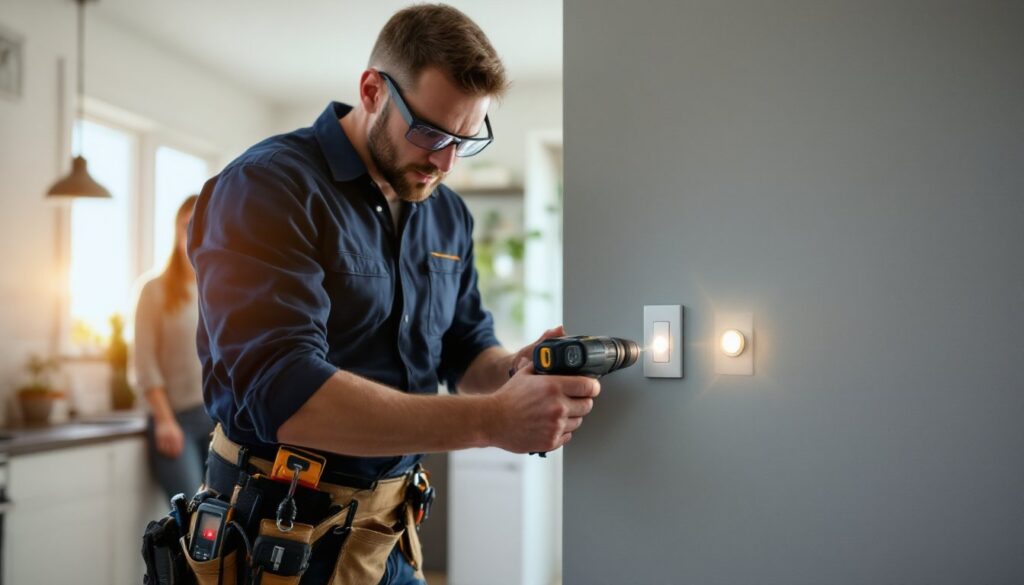
Smart bulbs and switches from brands like Philips Hue, LIFX, and Wyze offer dimming, color changes, and scheduling. Users can set lights to wake them gradually in the morning or simulate occupancy while they’re away.
Smart Thermostats
Devices like Nest, Ecobee, and Honeywell Home learn household schedules and adjust temperatures automatically. They detect when nobody’s home and reduce heating or cooling to save energy. Most smart thermostats pay for themselves within two years through lower utility bills.
Security Cameras and Doorbells
Ring, Arlo, and Eufy dominate this category. Video doorbells show visitors before the door opens. Indoor and outdoor cameras provide 24/7 monitoring with motion alerts sent directly to smartphones. Many offer local storage options for privacy-conscious users.
Smart Locks
August, Schlage, and Yale make locks that open with codes, fingerprints, or smartphone proximity. Users can grant temporary access to guests or service workers and see a log of who entered and when.
Smart Plugs and Outlets
These affordable devices turn any appliance into smart home tech. Plug in a lamp, coffee maker, or fan, and control it remotely or on a schedule. They’re an easy entry point for smart home beginners.
Benefits of a Connected Home
Smart home tech delivers practical advantages that justify the investment for most households.
Energy Savings
Smart thermostats alone can reduce heating and cooling costs by 10-15% annually. Smart plugs eliminate phantom power draw from devices on standby. Automated lighting ensures lights don’t stay on in empty rooms. One study found that comprehensive smart home tech adoption cut household energy use by up to 25%.
Convenience and Comfort
Voice commands eliminate the need to walk across the house to adjust a thermostat or flip a switch. Routines let users trigger multiple actions with one command, “Good morning” can turn on lights, start the coffee maker, and read the day’s weather. Smart home tech handles repetitive tasks so people can focus on other things.
Enhanced Security
Cameras, motion sensors, and smart locks create layered home protection. Users receive instant alerts about unusual activity. Video doorbells let them speak to visitors, or pretend to be home, from anywhere. Smart smoke detectors tell exactly which room has a problem and can alert emergency services automatically.
Accessibility
Smart home tech helps people with mobility challenges or disabilities live more independently. Voice control eliminates the need to reach switches or handles. Automated routines reduce physical demands. Caregivers can monitor remotely without being intrusive.
Property Value
Homes with smart technology often sell faster and at higher prices. Buyers increasingly expect connected features, especially in competitive markets. Smart home tech has become a selling point rather than a luxury.
How to Get Started With Smart Home Tech
Building a smart home doesn’t require a massive upfront investment. A gradual approach works best for most people.
Step 1: Choose an ecosystem. Pick Amazon Alexa, Google Home, or Apple HomeKit as a foundation. This decision affects which devices work together seamlessly. Consider which voice assistant the household already uses and which phones they carry.
Step 2: Start with a smart speaker. A $50-100 smart speaker provides immediate value through voice commands, music, and information. It also serves as the hub for future smart home tech additions.
Step 3: Add high-impact devices first. Smart thermostats and smart lighting deliver the most noticeable benefits. A thermostat pays for itself through energy savings. Smart bulbs in frequently used rooms make daily life easier immediately.
Step 4: Expand based on needs. Security-conscious homeowners should add cameras and smart locks next. Families with irregular schedules benefit from smart plugs that automate appliances. Let actual problems guide purchases rather than buying devices for novelty.
Step 5: Create routines and automations. The real power of smart home tech emerges when devices work together. Set up morning routines, away modes, and bedtime sequences. Test and refine automations until they match household patterns.
Budget considerations: Entry-level smart home setups cost $200-400. Mid-range systems with security features run $500-1,000. Comprehensive whole-home smart home tech installations can exceed $2,000, but most households don’t need that level of investment.
One important tip: check device compatibility before purchasing. The Matter standard helps, but not all products support it yet. Read reviews and verify that new devices work with the chosen ecosystem.