
Building a tiny house has become an increasingly practical alternative to traditional home construction, offering both financial and lifestyle benefits. But the real question most prospective builders ask is: how much will it actually cost? The answer depends on dozens of variables, from where you build to what materials you choose. Understanding the breakdown of tiny house construction costs helps you set a realistic budget and avoid expensive surprises mid-project. Whether you’re considering a foundation-based structure or a mobile unit, knowing where your money goes is the first step toward making an well-informed choice.
Table of Contents
ToggleKey Takeaways
- The tiny house cost to build ranges from $30,000 to $60,000 for a DIY structure on your own land, or $60,000 to $100,000 when hiring contractors, with the average around $45,000 for a moderately finished home.
- Labor costs account for 30–50% of your total budget when hiring professionals; doing DIY work on framing, drywall, and finishing can cut labor expenses in half.
- Location, zoning restrictions, and site infrastructure (septic, well, driveway) can add $5,000 to $20,000 before construction even begins, making permit and code research essential.
- Material choices like insulation type, roofing systems, and kitchen finishes represent 25–35% of costs; choosing standard dimensions and pre-designed plans avoids expensive custom work and design fees.
- Traditional mortgages rarely finance tiny houses; explore personal loans, credit union options, construction loans, or self-financing strategies to fund your build.
- Building on wheels increases tiny house costs to $60,000 to $80,000 due to trailer construction and specialized framing, with higher financing rates since they’re classified as personal property.
Average Tiny House Build Costs
The cost to build a tiny house typically ranges from $30,000 to $60,000 for a basic, DIY-friendly structure on your own land. If you’re hiring contractors for the entire project, expect to pay $60,000 to $100,000 or more, depending on finishes and complexity. According to industry data, the average comes in around $45,000 for a moderately finished tiny home.
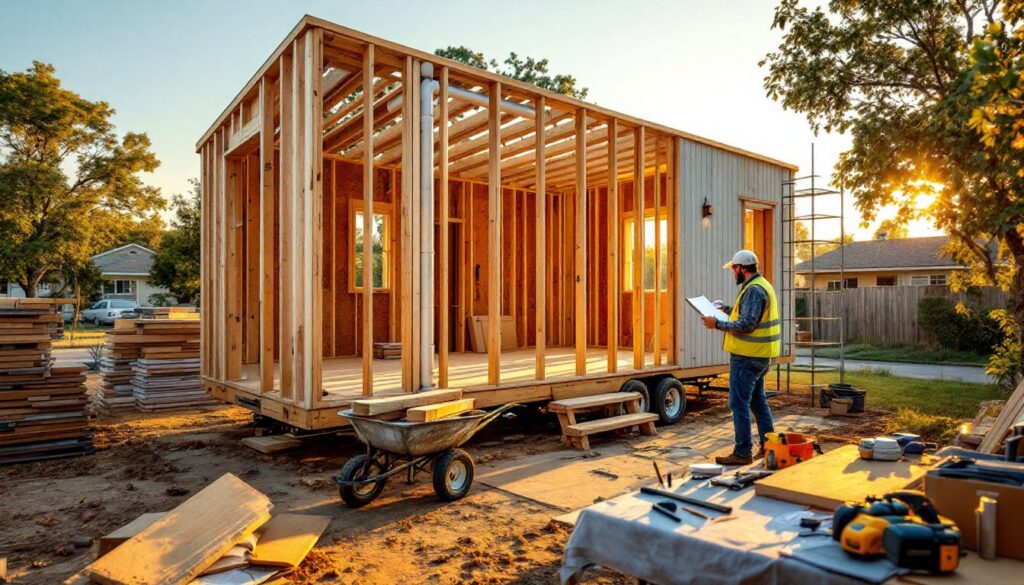
These figures assume a roughly 400-square-foot structure with standard framing, basic utilities (water, electric, HVAC), and economy-grade finishes. A tiny house on wheels pushes costs higher, typically $60,000 to $80,000, because you’re adding trailer construction, specialized framing for mobility, and reinforced load-bearing considerations.
Labor accounts for 30–50% of your total cost when hiring professionals. If you’re doing much of the work yourself, you’re primarily paying for materials, permits, and specialized trades (electrical, plumbing, HVAC) that require licensing. Material costs fluctuate with lumber, steel, and supply-chain conditions, so timing your build can affect your bottom line.
Key Factors That Influence Your Budget
Location and Land Considerations
Where you build dramatically shifts your costs. Urban or high-demand areas have steeper land prices, higher labor rates, and stricter permitting processes. A permit in one county might cost $500: in another, $2,500. Some municipalities require licensed architects for any structure, while others allow owner-builder exemptions on your primary residence.
If you already own the land, you’ve eliminated one major expense. If you’re purchasing, factor in site prep, septic systems (if not on municipal sewer), well drilling, and driveway access. These “hidden” infrastructure costs can add $5,000 to $20,000 before you pour a single foundation.
Zoning restrictions also matter. Some areas prohibit structures under a certain square footage, require minimum lot sizes, or restrict mobile tiny houses entirely. Check local codes and covenants before committing to a design.
Size, Materials, and Finishes
A 300-square-foot shell costs less than a 500-square-foot build, but the efficiency gains plateau quickly. The bathroom and kitchen account for disproportionately high per-square-foot costs because they demand concentrated mechanical and plumbing work.
Material choices swing your budget wildly. Framing with 2×4 lumber on 16-inch centers is standard and economical: upgrading to 2×6 on 12-inch centers improves insulation but costs 20% more. Spray foam insulation outperforms fiberglass but can add $2,000–$4,000 to the envelope.
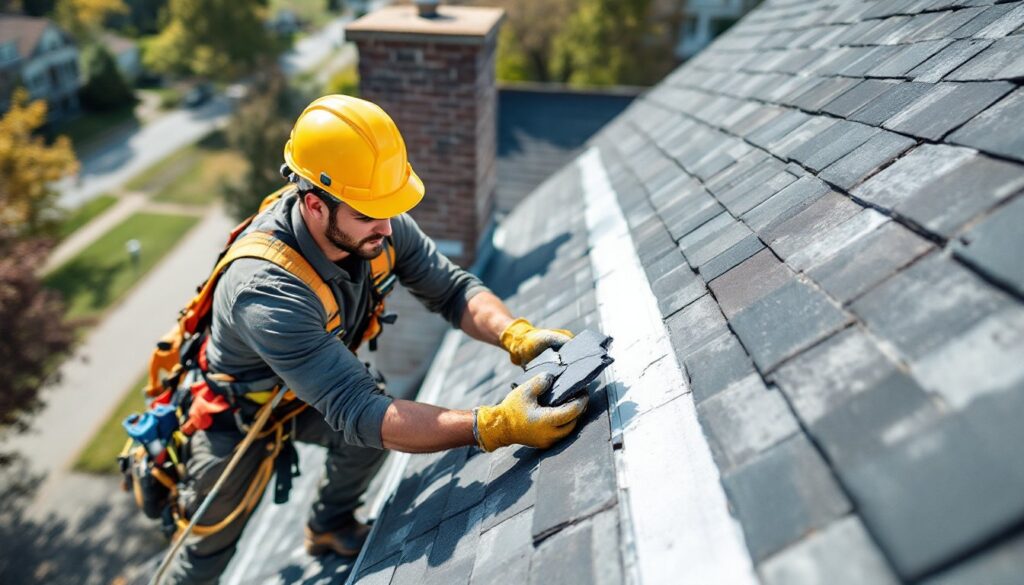
Roof and exterior finishes range from budget metal roofing ($2–$4 per square foot) to premium standing-seam systems ($8–$12 per square foot). Siding spans from $1–$3 per square foot for vinyl to $4–$8 per square foot for fiber cement or wood. Interior finishes, flooring, cabinetry, paint, fixtures, typically represent 25–35% of your total build cost. A basic galley kitchen runs $3,000–$8,000: high-end cabinetry and appliances can triple that.
Ways to Reduce Your Build Expenses
Do as much of the work yourself as you’re qualified to do. Demolition, framing, drywall, painting, and finishing carpentry are DIY-friendly if you have basic skills and patience. Hire licensed professionals only for electrical, plumbing, HVAC, and structural work that requires permits and inspections. This approach can cut labor costs in half.
Source materials strategically. Buy lumber during off-seasons (winter for residential building) when prices dip. Shop salvage yards and online marketplaces for doors, windows, and fixtures. Reclaimed materials add character and reduce waste without compromising function.
Design for efficiency. A simple rectangular footprint is cheaper to frame than an L-shaped or multi-level layout. Reducing the number of corners, angles, and specialty trusses lowers both material and labor costs. Minimize the number of exterior doors and windows, each is a penetration that complicates the thermal envelope.
Choose standard dimensions whenever possible. Pre-made windows and doors are cheaper than custom sizes. Standard-width lumber and framing materials have lower waste. Off-the-shelf cabinetry or modified stock units beat custom millwork by thousands of dollars.
Consider a kit home or pre-designed plans. Tiny house companies sell design plans for $500–$2,500, along with cut lists and material estimates. This eliminates design fees and gives you a proven build sequence. Some suppliers also bundle materials at a discount, reducing shopping complexity.
Financing Your Tiny House Project
Traditional mortgages rarely finance tiny houses because lenders view them as unconventional assets with uncertain resale value. Banks prefer properties that meet conventional appraisal standards, which many tiny homes don’t.
Personal loans and home equity lines of credit are common routes. Interest rates run 6–12% depending on creditworthiness: terms typically span 3–10 years. Personal construction loans let you draw funds as work progresses rather than paying everything upfront.
Some credit unions and community banks offer specialized tiny-house loans, particularly if the structure sits on permanent foundation and meets local zoning. Shop around and ask lenders explicitly about tiny-house experience.
Many builders self-finance by saving, using contractor credit lines, or securing short-term hard-money loans during construction, then refinancing into a longer-term personal or real-estate loan once the house is complete. This requires strong financial discipline and a clear timeline.
If you’re building on wheels, expect higher financing costs because the asset is classified as personal property (like an RV) rather than real estate. RV loans exist but carry higher rates and shorter terms than mortgages. For cost planning guidance, review detailed tiny house cost breakdowns and tiny house on wheels resources to compare options specific to your region and build type.
Conclusion
Building a tiny house for $30,000 to $60,000 is realistic if you’re willing to invest sweat equity and make smart material choices. Higher costs reflect professional labor, premium finishes, or specialized features like mobility. The key is understanding what drives cost in your specific location and design, then making intentional trade-offs. Start with a detailed build plan, get local permits and codes in writing, and phase expenses to match your financial capacity. A tiny house isn’t automatically cheap, but it’s one of the few owner-built projects where careful planning and hands-on effort still deliver substantial savings.