
Top smart home tech has changed how people live, work, and relax at home. From voice-controlled speakers to automated lighting, these devices offer convenience, energy savings, and enhanced security. The global smart home market reached $121 billion in 2024, and experts project it will exceed $180 billion by 2028. This growth reflects a simple truth: homeowners want technology that makes daily life easier.
This guide covers the best smart home tech available today. It explores smart speakers, lighting systems, thermostats, and security devices. It also explains how to choose the right ecosystem for specific needs. Whether someone wants to save on energy bills or control their home from a smartphone, these solutions deliver real results.
Table of Contents
ToggleKey Takeaways
- Top smart home tech like smart speakers, lighting, thermostats, and security devices can significantly improve convenience, energy efficiency, and home security.
- Smart thermostats reduce heating and cooling costs by 10-15%, saving the average household around $140 per year.
- Amazon Alexa offers the widest device compatibility, while Google Home excels with Android users and Apple HomeKit prioritizes privacy and security.
- Smart lighting systems like Philips Hue and Lutron Caseta allow voice control, automated schedules, and energy savings by turning off lights in empty rooms.
- Matter, the new universal smart home standard, enables devices to work across all major platforms, reducing ecosystem conflicts.
- Start building your smart home with a central hub or speaker, then add devices gradually based on real needs rather than buying technology for its own sake.
Smart Speakers and Voice Assistants
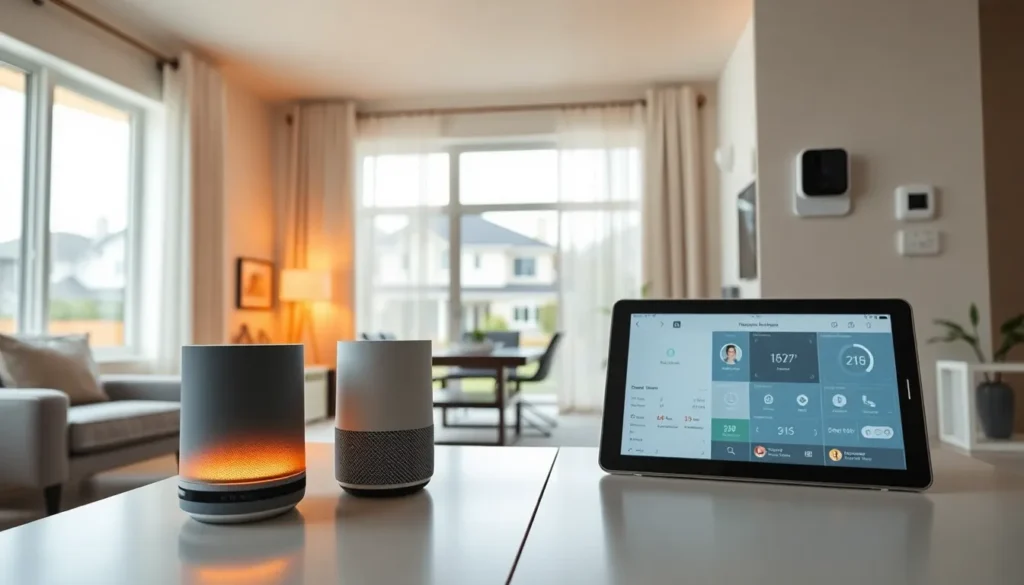
Smart speakers serve as the control center for most smart home setups. They respond to voice commands and connect with other devices throughout the home. The top smart home tech in this category includes Amazon Echo, Google Nest, and Apple HomePod.
Amazon Echo devices use Alexa as their voice assistant. Alexa supports over 100,000 skills, from playing music to ordering groceries. The Echo Show adds a screen for video calls and visual responses. Many homeowners start their smart home journey with an Echo because of its wide device compatibility.
Google Nest speakers run on Google Assistant. This assistant excels at answering questions and integrating with Google services like Calendar and Photos. The Nest Hub Max includes a camera for video calls and home monitoring. Google Assistant also handles multiple commands in a single request, which saves time.
Apple HomePod works with Siri and integrates tightly with iPhones and iPads. It offers superior sound quality compared to competitors at similar price points. But, it supports fewer third-party devices than Amazon or Google options.
When choosing a smart speaker, consider existing devices and preferred services. Someone deep in the Apple ecosystem benefits most from HomePod. Android users often prefer Google Nest. Those who prioritize device compatibility typically choose Amazon Echo.
Smart Lighting Systems
Smart lighting ranks among the most popular top smart home tech upgrades. These systems let users control lights through apps, voice commands, or automated schedules. They also reduce energy consumption by turning off lights in empty rooms.
Philips Hue leads the smart lighting market with its wide product range. The system includes bulbs, light strips, and outdoor fixtures. Hue bulbs produce 16 million colors and work with all major voice assistants. The Hue Bridge connects up to 50 lights and enables advanced automation.
WYZE offers budget-friendly smart bulbs that don’t require a hub. These bulbs connect directly to Wi-Fi and cost a fraction of premium options. They lack some advanced features but provide solid performance for basic needs.
Lutron Caseta focuses on smart switches rather than bulbs. Switches control existing fixtures without replacing every bulb. This approach costs more upfront but works better for ceiling lights and fixtures with multiple bulbs. Lutron also offers exceptional reliability because it uses its own wireless protocol.
Smart lighting delivers immediate benefits. Users can dim lights for movie nights, wake up to gradual brightness, or turn everything off with one command. Motion sensors add another layer by activating lights automatically when someone enters a room.
Smart Thermostats and Climate Control
Smart thermostats represent some of the top smart home tech for energy savings. The average household spends over $1,000 annually on heating and cooling. Smart thermostats can reduce these costs by 10-15% through intelligent scheduling and presence detection.
Google Nest Learning Thermostat adapts to user behavior over time. It learns preferred temperatures and creates automatic schedules. The device also detects when nobody is home and adjusts settings accordingly. Nest reports that users save an average of $140 per year on energy bills.
Ecobee thermostats include remote sensors for different rooms. This feature solves a common problem: uneven temperatures throughout the home. Users can prioritize comfort in occupied rooms rather than relying on a single hallway sensor. Ecobee also includes built-in Alexa functionality.
Honeywell Home T9 offers similar remote sensor capabilities with a focus on simplicity. It works with most HVAC systems and provides clear installation instructions. The app displays energy usage data and suggests ways to improve efficiency.
Smart thermostats integrate with other devices for enhanced automation. They can lower temperatures when security systems arm at night. They can also activate when smart door locks detect someone arriving home. These connections create a more responsive and efficient home environment.
Smart Security Devices
Smart security devices give homeowners peace of mind and real-time monitoring capabilities. This category of top smart home tech includes cameras, doorbells, locks, and complete security systems.
Ring Video Doorbell shows visitors before they reach the door. It records motion-activated video and stores clips in the cloud. Users can speak with visitors through two-way audio, even when away from home. Ring also offers a neighborhood feature that shares alerts about local activity.
Arlo cameras provide wireless security with rechargeable batteries. They record in 4K resolution and include night vision. The cameras work indoors or outdoors and connect to a base station or directly to Wi-Fi. Arlo’s subscription service adds AI detection that distinguishes people, vehicles, and animals.
August Smart Lock replaces traditional deadbolts with keyless entry. Users unlock doors through the app, voice commands, or auto-unlock when their phone approaches. The lock also creates unique codes for guests and tracks entry history. It installs on existing deadbolts, so renters can use it without permanent changes.
Simplisafe and Ring Alarm offer complete security systems. These include entry sensors, motion detectors, and professional monitoring options. DIY installation takes about an hour for most homes. Monthly monitoring costs range from $10 to $30, significantly less than traditional security companies.
How to Choose the Right Smart Home Ecosystem
Selecting the right ecosystem determines how well top smart home tech devices work together. The three main ecosystems are Amazon Alexa, Google Home, and Apple HomeKit. Each has strengths and limitations.
Amazon Alexa supports the widest range of devices. Nearly every smart home product works with Alexa. This makes it the safest choice for people who want flexibility. Alexa also offers the most third-party skills and integrations.
Google Home provides strong integration with Android phones and Google services. It handles complex questions better than competitors. Google’s Matter support continues to expand, improving cross-platform compatibility.
Apple HomeKit prioritizes privacy and security. All HomeKit devices meet Apple’s strict requirements. The system works seamlessly with iPhones and Macs. But, HomeKit supports fewer devices than Amazon or Google ecosystems.
Matter, a new universal standard, promises to reduce ecosystem conflicts. Devices with Matter certification work across all major platforms. This standard launched in late 2022, and more products now include Matter support.
Before buying, check device compatibility with the chosen ecosystem. Start with a central hub or smart speaker. Add devices gradually to avoid overwhelming complexity. Most importantly, prioritize devices that solve real problems rather than buying technology for its own sake.