
A whole-home water softener is one of those investments that pays dividends quietly, no dramatic before-and-after reveal, but your skin feels better, your hair looks healthier, and your plumbing lasts longer. If you’re researching Culligan water softener costs, you’re probably dealing with hard water that’s leaving scale buildup on fixtures, spotting dishes, or making your appliances work harder than they should. Culligan is one of the most recognized names in the industry, but understanding the true cost, unit price, installation, and ongoing maintenance, takes more than a quick online search. This guide breaks down what you’ll actually spend on a Culligan system and helps you budget realistically.
Key Takeaways
- Culligan water softener costs typically range from $1,500 to $4,000 for the unit, with professional installation adding $500–$2,000 depending on plumbing complexity.
- Monthly maintenance costs vary significantly: self-maintenance runs $50–$120 annually for salt, while Culligan service agreements cost $25–$60 per month.
- Water hardness level and household size are the biggest factors affecting total cost—a family of four with moderately hard water needs 4–6 salt bags yearly, while very hard water requires 8–10 bags.
- Shop multiple Culligan dealers to compare pricing and terms, as the franchise model means prices vary widely by region and seasonal discounts of $500+ are often available in fall and winter.
- Skipping the service agreement and maintaining your system yourself can save $300–$720 annually, covering 4–10 years of salt costs upfront.
Average Price Range For Culligan Water Softeners
Culligan water softener units typically range from $1,500 to $4,000 depending on capacity and model type. A basic entry-level system might cost around $1,500–$2,000, while mid-range units with more features run $2,500–$3,500. Premium or high-capacity systems designed for larger households or severe hard water can exceed $4,000. These are list prices: actual prices vary by region, dealer, and current promotions.
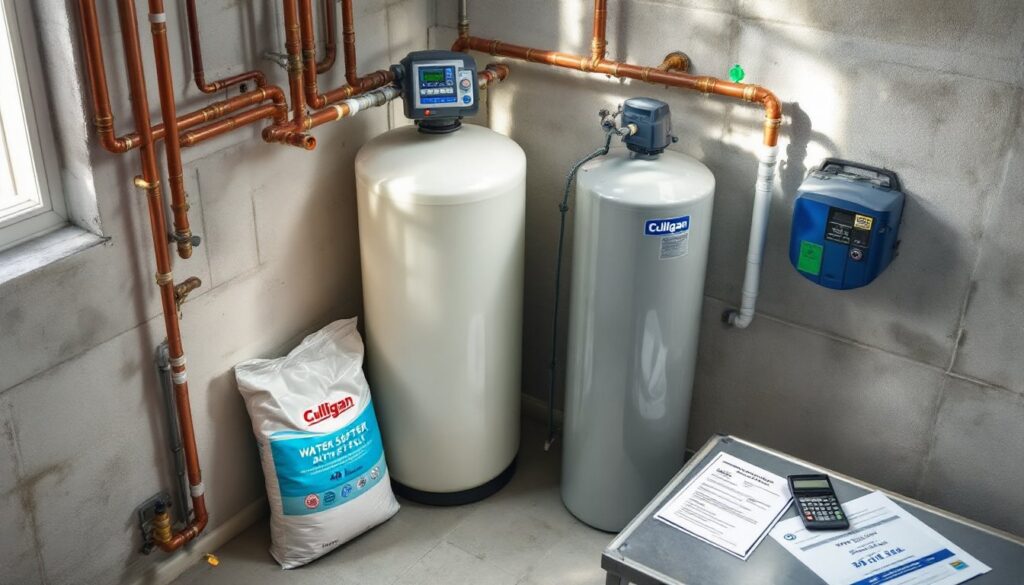
The capacity you need depends on your household size and water hardness level. Most homes need a system rated between 24,000 and 48,000 grains per regeneration cycle. Culligan’s catalog includes salt-based models, dual-tank systems, and some newer smart-enabled units that cost more upfront but offer convenience and efficiency.
It’s worth noting that Culligan operates on a dealer-based model, they don’t sell direct. Your local Culligan dealer may offer financing options, seasonal discounts, or bundle deals that reduce the quoted price. Request quotes from multiple dealers in your area to compare.
Installation And Setup Expenses
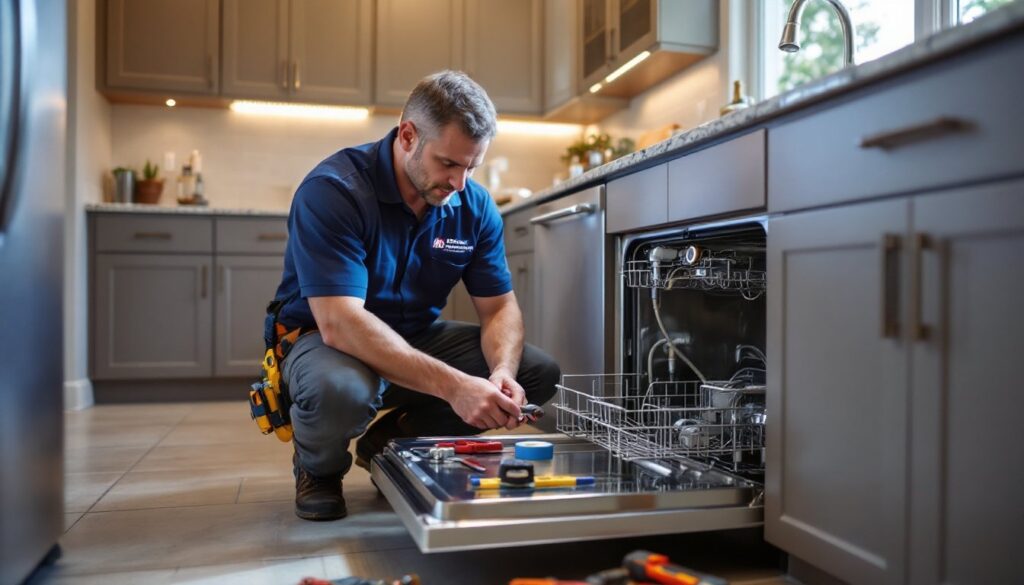
Professional installation by a Culligan technician typically adds $500–$2,000 to your total cost. Basic installation, connecting the unit to your main water line, running a drain, and setting up the brine tank, usually falls on the lower end of that range. If your plumbing requires modifications, new supply lines, or a dedicated outlet for the unit, costs climb.
Some Culligan dealers bundle installation into their quoted price: others charge separately. Always ask whether the estimate includes shutoff valve installation, bypass valve setup, and any necessary copper or PEX tubing. If your home has old galvanized pipes or the softener needs to go in a tight basement corner, factoring in extra labor is realistic.
A few homeowners with solid plumbing skills tackle installation themselves to save that cost, but Culligan’s warranty typically requires professional setup to remain valid. If you’re handy and want to DIY, confirm what voids the warranty before proceeding. Keep in mind that water softeners interact with your entire plumbing system, mistakes can lead to leaks or mineral buildup in unexpected places.
Monthly Maintenance And Operating Costs
Once installed, a water softener costs money to run. Many Culligan owners sign a service agreement (around $25–$60 per month) where the company performs routine maintenance, monitors salt levels, adds salt to the brine tank, and handles filter replacements. For some homeowners, that peace-of-mind is worth it: for others, it’s an unnecessary recurring fee.
If you maintain the system yourself, your main ongoing expense is salt. A standard 40-pound bag of water softener salt costs $5–$15 and needs replenishing roughly every 6–8 weeks, depending on your household’s water usage and hardness. That works out to around $50–$120 per year for salt alone.
Another consideration is electricity. Modern water softeners draw minimal power, often less than a dollar per month, so that’s usually negligible. But, if you choose a metered system that uses less salt and regenerates on demand, the upfront cost is higher but long-term salt costs drop significantly.
Salt And Regeneration Expenses
Salt is the consumable that makes your softener work. During regeneration, the resin beads inside the tank release trapped minerals and recharge with salt ions. High-quality softening salt (like pellets or solar salt) is more efficient than rock salt, though slightly pricier. Pellet salt typically costs $8–$12 per 40-pound bag.
A household of four with moderately hard water (15–20 grains per gallon) usually needs 4–6 bags per year. If your water is very hard (over 25 grains per gallon), expect 8–10 bags annually. You can calculate this more precisely if you get a water hardness test done first, many Culligan dealers offer free testing.
Factors That Affect Your Total Investment
Several variables change what you’ll eventually spend. Household size is the biggest one, a family of six needs a higher-capacity unit than a couple, which means a costlier system. Water hardness level matters too. If your water tests at 30 grains per gallon instead of 10, you’ll need a larger tank and more frequent regeneration, affecting both upfront cost and salt consumption.
Installation complexity is another wildcard. A straightforward basement hookup costs less than retrofitting a water softener into a finished laundry room or dealing with unusual plumbing configurations. Some dealers charge mileage fees if you’re outside their service area.
Your choice of system type significantly impacts total cost. A basic salt-based model is the most affordable long-term. Dual-tank systems (which let one tank regenerate while the other operates) cost more upfront but provide continuous soft water and are gentler on consumption patterns. Salt-free systems sidestep monthly salt purchases but often cost $3,000–$5,000 and don’t soften water in the traditional sense, they condition it, which doesn’t work for everyone.
Local water treatment standards and any municipal restrictions on softener discharge also factor in. Some areas regulate how softener brine drain, requiring specific installation methods that add cost. Check your local building codes before finalizing a quote.
Ways To Save On Your Culligan Purchase
Smart shopping can trim 10–25% off your total cost. First, shop multiple dealers. Culligan’s franchise system means pricing and service terms vary widely. Three quotes from local dealers often reveal significant differences in both unit price and installation fees. Don’t immediately go with the cheapest: factor in warranty terms and service reputation.
Second, consider off-season timing. Water softener demand peaks in spring when homeowners notice scale buildup or buy new homes. Fall and winter sales are often slower, and dealers may offer discounts to move inventory. A $500 seasonal discount isn’t uncommon.
Third, ask about bundle deals. Some dealers bundle whole-home filters or UV systems with water softeners at a package rate that’s cheaper than buying separately. If you need both, bundling might pay off.
Fourth, skip the service agreement if you’re comfortable maintaining it yourself. If you’re willing to add salt quarterly and monitor the system occasionally, self-maintenance saves $25–$60 monthly. That’s $300–$720 per year, money that covers 4–10 years of salt purchases on its own.
Finally, ask dealers about home improvement cost estimators or financing options. Some Culligan dealers partner with financing companies offering 0% APR for 12–24 months, which can ease the upfront burden. Also, contractor hiring platforms allow you to compare local water treatment professionals and read customer reviews, helping you avoid overpriced installations.
Conclusion
A Culligan water softener typically costs $1,500–$4,000 for the unit plus $500–$2,000 for installation, with ongoing salt and service costs of $50–$120 annually if self-maintained or $300–$720 if you use Culligan’s service plan. Your actual cost depends on your home’s water hardness, household size, installation complexity, and whether you prefer convenience or cost savings. Get quotes from multiple local dealers, ask exactly what’s included in the price, and weigh the long-term maintenance commitment before signing. Hard water isn’t just a comfort issue, it wears on pipes and appliances, so the investment typically pays for itself over time.