
Setting up a smart home isn’t just about buying the latest gadgets, it’s about building a system that actually works for your lifestyle. Whether you’re thinking about automating a few lights or creating a fully integrated home ecosystem, the decisions you make upfront matter. A smart home consultant can save you thousands of dollars in wasted purchases and months of frustration by designing a cohesive system from the start. This guide walks you through what these professionals do, why they’re worth the investment, and how to find one who gets your vision.
Key Takeaways
- Smart home consultants prevent costly mistakes by assessing your home’s infrastructure and recommending compatible devices, saving thousands in wasted purchases and months of frustration.
- Hiring a smart home consultant saves time by providing a curated, tailored plan within days instead of weeks of product research, and they handle liability if installations fail.
- Look for consultants with relevant platform certifications (Amazon, Google, Apple, Control4) and CEDIA membership, request detailed written proposals with specific devices and timelines, and always ask for references from similar projects.
- The consultation process typically takes 3-4 weeks total: discovery and site survey (weeks 1-2), design and specification (weeks 2-3), proposal review (week 3-4), followed by installation and post-install training.
- Smart home consultants future-proof your system by considering network capacity, device compatibility across WiFi, Zigbee, and Z-Wave protocols, and recommending a phased approach that prevents scope creep and keeps costs manageable.
What Smart Home Consultants Do
A smart home consultant does the heavy lifting so you don’t waste time and money on incompatible devices. These professionals assess your home’s layout, electrical infrastructure, and internet capability, then recommend specific products and systems that play well together.
Their work includes a site survey (checking walls, wiring, WiFi strength, and load-bearing zones), a discovery conversation about your priorities and budget, and a detailed equipment specification matching your needs. Unlike a salesperson pushing one brand, a consultant weighs multiple platforms: Amazon Alexa, Google Home, Apple HomeKit, or open-source systems like Home Assistant. They’ll specify where to place cameras, speakers, sensors, and hubs for optimal coverage and performance.
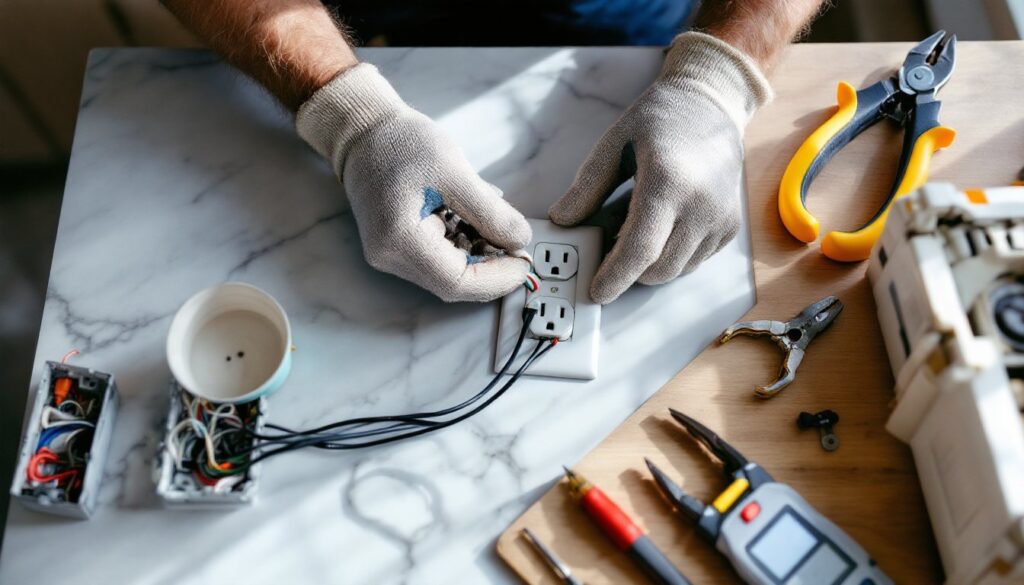
Consultants also handle integration, the wiring, networking setup, and initial configuration that makes everything talk to each other. Many also oversee installation, either doing the hands-on work themselves or managing contractors. After install, they typically provide training so you and your family can use the system confidently. Think of them as the orchestrator, not just the supplier.
Key Reasons to Hire a Smart Home Consultant
Hiring a professional consultant pays dividends, literally. The average homeowner who DIYs a smart home install makes at least one costly mistake: incompatible hubs, redundant devices, or poor WiFi placement that kills performance. A consultant prevents these errors outright.
Second, they save time. Instead of researching products for weeks, reading conflicting Reddit threads, and watching YouTube reviews, a consultant gives you a curated plan in days. You’re not comparison-shopping among hundreds of options: you’re evaluating a focused proposal tailored to your home.
Third, integration becomes seamless. Modern smart homes involve ethernet runs, WiFi mesh networks, and complicated automation routines. A consultant ensures everything integrates cleanly, with proper documentation for future upgrades. They also handle the liability: if a professional installs your system and something breaks, they’re responsible. If you DIY and something goes wrong, you’re on your own.
Fourth, consultants stay current. Smart Home Tech Trends shift constantly, new products launch, platforms deprecate, and best practices evolve. A consultant tracks these changes and steers you toward solutions built to last.
Avoid Costly Mistakes and Compatibility Issues
Incompatibility is the silent killer of DIY smart homes. You buy a Zigbee light that won’t sync with your WiFi speaker. You invest in a hub that’s discontinued six months later. You run ethernet to three rooms but not the fourth, creating dead zones that frustrate you daily.
A consultant audits your entire ecosystem before purchase. They check which devices use WiFi, which use Zigbee or Z-Wave, and whether your network can handle the load. They confirm that your chosen system works with your router, your ISP’s bandwidth, and any firewalls or security software on your network.
They also future-proof your choice. Instead of the cheapest camera, they recommend one that integrates with your home’s hub and supports local storage if cloud services go down. They think about resale value, buyers often check if smart systems are transferable or tied to the original owner.
Most critically, a consultant reduces scope creep. Without guidance, homeowners often buy too much too fast, installing cameras in closets they don’t need and smart locks on doors they rarely use remotely. A consultant prioritizes, recommending a phased approach: Phase 1 (essential automation), Phase 2 (convenience layers), Phase 3 (advanced features). This keeps costs reasonable and lets you learn the system gradually.
How to Find and Evaluate Smart Home Consultants
Start by vetting consultants in your area. Search “smart home consultant near me” or “home automation specialists in [your city].” Check Google reviews and ask for references, specifically, clients with homes similar to yours (same age, layout, or smart home goals). A consultant strong in apartment automation may not be your best fit if you own a sprawling three-story house.
Look for certifications from platforms they specialize in: Amazon, Google, Apple, or Control4. Membership in professional groups like CEDIA (Custom Electronic Design & Installation Association) signals ongoing training and accountability. But, certification alone isn’t a guarantee, interview consultants thoroughly.
Cost varies wildly. Some charge hourly rates ($75–$150/hour for consultation, often higher for install), others charge flat fees for a full proposal ($500–$2,000 depending on home size and complexity), and still others bundle consultation into the final project cost. Don’t pick based on price alone: a cheap consultant who recommends unsuitable products costs more long-term.
Request a detailed written proposal. Vague descriptions like “we’ll set up automation” aren’t enough. A solid proposal lists specific devices (brands, models, quantities), network upgrades needed, labor hours, timeline, and what’s included post-install (training, warranty, future support).
Questions to Ask Before Hiring
Ask these non-negotiable questions during your initial consultations:
-
What systems and platforms do you specialize in? Are they locked into one brand, or do they spec multiple options? A consultant who only recommends Control4 or only Google has bias, legitimate consultants let your needs and budget drive the choice.
-
How do you handle WiFi and networking? Smart homes fail when WiFi fails. Ask if they design mesh networks, run ethernet where possible, and test coverage before install. Vague answers here are red flags.
-
What’s your installation approach? Do they do the work themselves, or subcontract? If subcontracting, are they responsible if the subcontractor makes mistakes, or do you deal with the sub directly? Clear chains of responsibility matter.
-
What’s included after installation? Do they provide training, documentation, remote troubleshooting, or a one-year support plan? Smart homes need occasional maintenance: find out who handles it.
-
Can you reference three similar projects? Don’t just hear that they’re good: see proof. A consultant confident in their work will gladly share photos and client references.
-
What’s your warranty or guarantee? If something fails, do they fix it for free? How long is the guarantee? A strong consultant backs their work.
-
How do you handle design changes mid-project? Scope creep happens. Confirm they’ll document change requests, explain cost impacts, and get written approval before proceeding.
Ask about timeline too. A reasonable consultation takes 2–4 weeks (site survey, design, proposal). Installation varies by scope but typically runs 1–3 weeks. Anybody promising instant installation is cutting corners.
The Smart Home Consultation Process
Understanding what to expect demystifies the process and helps you prepare.
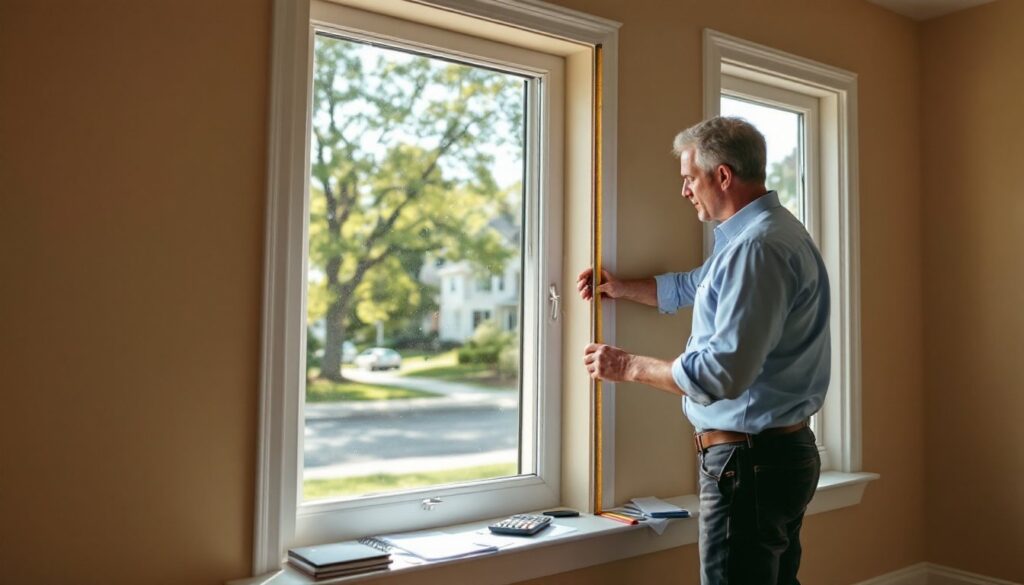
Week 1–2: Discovery and Site Survey. The consultant meets you at home to understand your vision, budget, and pain points. They walk through every room, noting outlets, WiFi zones, and load-bearing walls (if running ethernet requires wall access). They check your current internet plan and test WiFi speed and coverage. They ask about family members, do you have elderly relatives who need simple interfaces, or tech-savvy kids who’ll push the system’s limits? They photograph key areas and take notes.
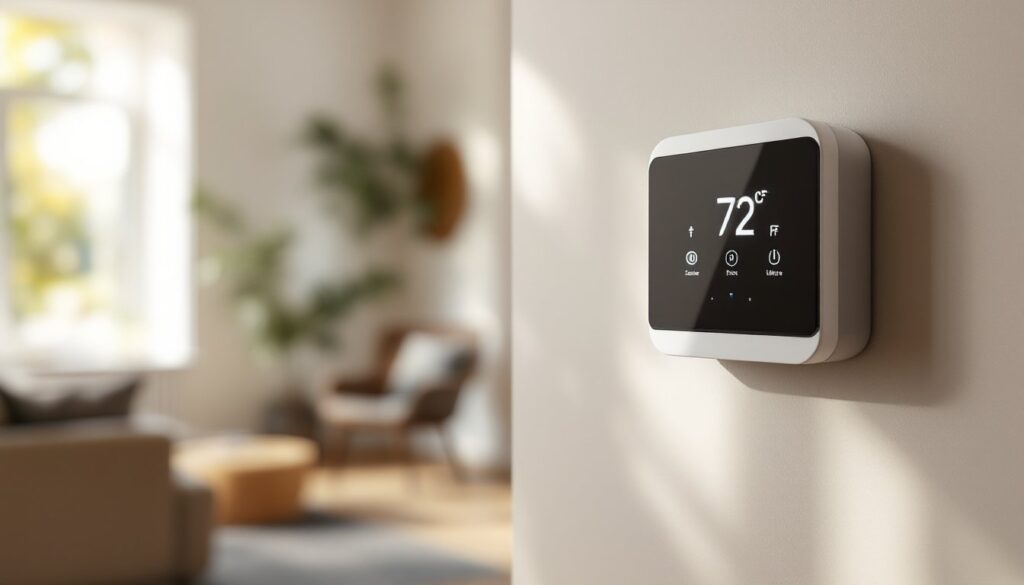
Week 2–3: Design and Specification. Using collected data, the consultant drafts a system design. They create a floorplan showing camera placement, hub location, speaker zones, and data runs. They compile a bill of materials (specific products with quantities, part numbers, and costs). They draft automation routines: “When you leave home, lock doors, close shades, and lower thermostat.” They explain why they chose certain products over cheaper alternatives. Many consultants also show how the system integrates with your phone, smart watch, and voice assistants.
Week 3–4: Proposal Review and Sign-Off. The consultant presents their proposal in writing and walks you through it in person or via video. You ask questions, request changes, and negotiate scope or price if needed. Once you approve and sign, they order materials and schedule installation. This is when you should review the paperwork carefully: check that all devices match the spec sheet, that labor hours and timeline are realistic, and that post-install support is documented.
Installation Week. Depending on scope, install takes several days to two weeks. The consultant (or their crew) runs wiring, mounts devices, configures the network, and tests every integration. They should keep disruption minimal, planning work around your schedule, protecting floors and walls, and cleaning up daily.
Post-Install: Training and Support. After install, the consultant trains you on day one or two. They show you the app, voice commands, automation routines, and how to add devices later. They leave documentation (printed guides, video tutorials, or a support portal) so you can troubleshoot minor issues without calling them. For 30–90 days, they’re available for questions. Many also offer annual support plans, which is worth it if your system is complex.
Access our Smart Home Tech Guide: to understand the broader landscape before your consultation. You’ll ask smarter questions and make faster decisions when you understand core concepts like hubs, protocols, and automation logic.
Conclusion
Smart home consultants handle complexity so you don’t have to. They design systems tailored to your home and lifestyle, avoid expensive mistakes, and manage the messy integration work that trips up DIYers. Finding the right consultant, one with relevant certifications, clear communication, and references you trust, is the hardest part. Once you’ve hired them, lean on their expertise, ask questions, and don’t rush the design phase. A thoughtful upfront investment in consultation pays back immediately through smarter choices and a system you’ll actually use and enjoy for years.